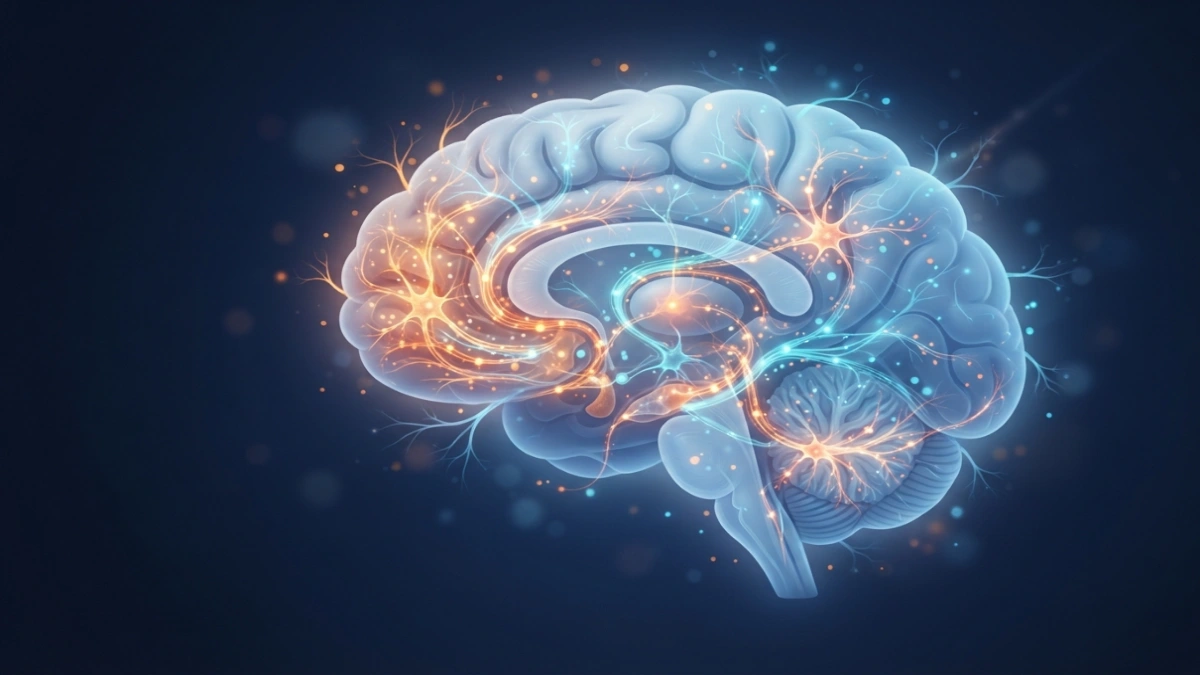
It controls far more than mood. This single chemical helps regulate sleep, digestion, appetite, bone strength, and even blood clotting. Most people only hear about serotonin in connection with happiness, but that’s just one piece of a much bigger picture.
In this guide, you’ll learn exactly what it does in the body and brain, what happens when levels run too low or too high, and how you can support healthy serotonin naturally without relying on myths or oversimplified claims.
Table of Contents
- What Is Serotonin?
- How the Body Makes Serotonin
- What Does Serotonin Do? (Main Functions)
- Serotonin and Mental Health
- Signs of Low Serotonin
- Serotonin Syndrome: When Levels Get Too High
- Healthy Ways to Support Serotonin Naturally
- Serotonin vs. Dopamine: What’s the Difference?
- Common Myths About Serotonin
- FAQ
- Conclusion
What Is Serotonin and Where Is It Found?
It is a chemical messenger, known scientifically as a neurotransmitter. Nerve cells use it to send signals to each other and to other parts of the body.
Doctors often call it the “5-HT” chemical, short for 5-hydroxytryptamine, which is its technical name. You’ll see this abbreviation in medical literature and on medication labels.
It isn’t just found in the brain. In fact, most of it lives outside the brain entirely, which surprises a lot of people once they learn it.
Where Serotonin Is Found in the Body
Roughly 90% of the body’s serotonin sits in the gut, where specialized cells produce and release it. The remaining amount is made in the brain and central nervous system.
This split matters because it explains why it affects digestion just as much as it affects mood. A chemical that seems purely “emotional” is actually deeply tied to how your stomach and intestines work.
How Is Serotonin Made in the Body?
Your body builds it from an amino acid called tryptophan, which you get through food. Tryptophan shows up in protein-rich foods like turkey, eggs, cheese, nuts, and seeds.
Once tryptophan enters the body, enzymes convert it into serotonin through a multi-step chemical process. This process happens mainly in the gut and in serotonin-producing neurons in the brain.
Several factors influence how efficiently this conversion happens, including:
- Diet and overall nutrient intake
- Sunlight exposure
- Physical activity
- Stress levels
- Certain medications
“Your diet provides tryptophan, the amino acid your body uses to make it. While adequate nutrition supports normal serotonin production, the amount of serotonin produced in the brain depends on many factors beyond diet alone, including how tryptophan enters the brain and individual physiology.”
Where Is Serotonin Produced in the Body?
Although it is often linked with the brain, most of the body’s serotonin is produced elsewhere. About 90% is made by specialized cells in the digestive tract, where it helps regulate intestinal movement and other digestive processes.
Only a small percentage is produced in the brain, where it acts as a neurotransmitter involved in mood, sleep, learning, and other nervous system functions. Because it cannot freely cross the blood-brain barrier, the serotonin made in the gut and the serotonin made in the brain perform different jobs.
Understanding this distinction helps explain why it affects many body systems beyond emotions.
What Does Serotonin Do in the Body?
It influences a wide range of body systems. Below are its most well-documented roles, based on established physiology.
1. Mood and Emotional Regulation
It helps stabilize mood by supporting communication between brain regions involved in emotional processing. Many people associate it with feelings of calm, contentment, and emotional balance.
This is why serotonin-related medications, such as SSRIs (selective serotonin reuptake inhibitors), are commonly prescribed for depression and anxiety. These medications work by increasing the amount of serotonin available for brain cells to use.
It’s worth noting that mood regulation is complex. It plays an important role, but it works alongside other neurotransmitters, brain structures, genetics, and life circumstances not in isolation.
2. Sleep and the Sleep-Wake Cycle

It acts as a building block for melatonin, the hormone that controls your sleep-wake cycle. Your brain converts it into melatonin as daylight fades, which helps signal that it’s time to wind down.
This is one reason why daytime sunlight exposure is often linked to better sleep quality at night. The serotonin your body produces during the day supports melatonin production later on.
3. Digestion and Gut Health
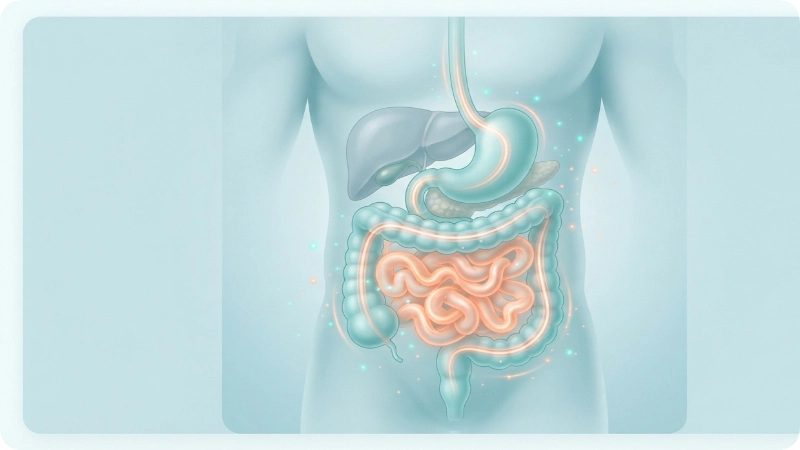
Since most serotonin is produced in the gut, it plays a central role in digestion. It helps regulate intestinal movement, a process called peristalsis, which moves food through the digestive tract.
It also communicates with the gut lining to trigger nausea or bowel movement responses when something in the digestive system needs to be expelled quickly, such as during food poisoning.
This gut-serotonin connection is part of what scientists call the gut-brain axis the two-way communication system between your digestive system and your brain.
4. Appetite and Metabolism
It helps signal fullness after eating, which is why healthy serotonin activity is linked to balanced appetite regulation. When this signaling is disrupted, it can contribute to overeating or appetite changes.
5. Bone Health
Research has found that serotonin produced in the gut can influence bone density. High levels of gut-derived serotonin have been associated with lower bone mass in some studies, while brain-derived serotonin appears to support healthy bone formation.
This is an active area of ongoing research, and scientists are still working out the full relationship between serotonin and bone metabolism.
6. Blood Clotting
When you get a cut or injury, blood platelets release serotonin. This release causes tiny blood vessels called arterioles to narrow, which helps slow blood flow and supports the clotting process.
7. Sexual Function
It also plays a role in sexual desire and function. This is part of why some serotonin-affecting medications list changes in libido as a possible side effect.
How Serotonin Affects the Brain and Body Together
Although it is often discussed as a “brain chemical,” its effects reach throughout the body.
In the brain, it helps nerve cells communicate and contributes to mood regulation, sleep, memory, and emotional processing. Outside the brain, it supports digestion, helps regulate blood vessel function, influences appetite, and plays a role in blood clotting.
Because these systems constantly interact, changes in serotonin activity can sometimes affect both physical and emotional health at the same time. Researchers continue to study exactly how these different roles connect.
How Does Serotonin Affect Mental Health?
For decades, it was described simply as the “happy chemical,” and low serotonin was presented as the direct cause of depression. Current research paints a more nuanced picture.
Scientists now understand that depression involves multiple interacting factors, including brain chemistry, brain structure, genetics, life stress, and environment. It plays a meaningful role in this system, but it isn’t the sole cause of depression on its own.
This doesn’t mean serotonin-based treatments don’t work. Many people experience real symptom improvement with SSRIs and other serotonin-related treatments. It simply means the “chemical imbalance” explanation is an oversimplification of a more complex condition.
If you’re dealing with ongoing low mood, anxiety, or other mental health symptoms, a doctor or licensed therapist can help identify what’s happening and recommend appropriate next steps.
Can You Have Too Much or Too Little Serotonin?
Content
Healthy serotonin activity depends on balance rather than simply having “more” serotonin. Both unusually low activity and excessive serotonin signaling can contribute to health problems, although the causes are often complex.
Low serotonin activity has been linked with symptoms affecting mood, sleep, and appetite, while excessively high serotonin usually caused by certain medications or drug interactions can lead to serotonin syndrome, a potentially serious medical emergency.
Because many symptoms overlap with other conditions, healthcare professionals rely on medical history, examination, and, when appropriate, diagnostic testing instead of trying to estimate its levels based on symptoms alone.
Signs of Low Serotonin
Low serotonin activity has been associated with several patterns, though these signs can also result from many other causes. Common associations include:
- Persistent low mood or irritability
- Trouble sleeping or disrupted sleep patterns
- Changes in appetite
- Difficulty concentrating
- Increased anxiety or worry
- Digestive discomfort
None of these signs confirm low serotonin on their own. If you’re experiencing several of these symptoms consistently, it’s best to talk with a healthcare provider rather than self-diagnose.
Can You Test Your Serotonin Levels?
People often wonder whether a blood test can reveal if they have low serotonin. In most cases, the answer is no.
Although blood tests can measure it circulating outside the brain, those results do not accurately reflect its activity inside the brain, where it influences mood and many neurological functions.
For this reason, doctors do not usually diagnose depression, anxiety, or similar conditions by measuring its levels. Instead, they consider symptoms, medical history, and other possible causes before recommending treatment.
Serotonin Syndrome: When Levels Get Too High
While low serotonin gets most of the attention, too much serotonin in the body can also cause problems. This condition is called serotonin syndrome, and it usually happens when someone takes a combination of medications or supplements that all raise its levels at once.
Symptoms can include:
| Mild Symptoms | Severe Symptoms |
| Shivering, sweating | High fever |
| Diarrhea | Muscle rigidity |
| Headache | Seizures |
| Restlessness | Irregular heartbeat |
It can range from mild to life-threatening. If someone shows signs of high fever, severe muscle stiffness, or a rapid heartbeat after starting or combining serotonin-related medications, this requires emergency medical attention right away.
Healthy Ways to Support Serotonin Naturally
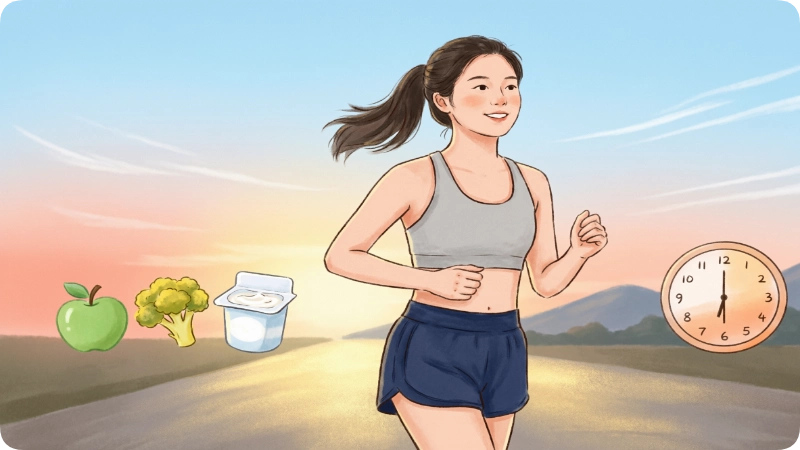
You can support your body’s natural serotonin activity through everyday habits. None of these replace medical treatment when it’s needed, but they support overall well-being.
- Get natural sunlight exposure Morning sunlight supports your body’s serotonin and circadian rhythm.
- Exercise regularly Physical activity, especially aerobic exercise, is linked to increased its activity.
- Eat tryptophan-containing foods Eggs, salmon, nuts, seeds, and turkey provide the building block serotonin needs.
- Prioritize consistent sleep Sleep and serotonin production influence each other in both directions.
- Manage stress Chronic stress can disrupt it signaling over time.
Serotonin vs. Dopamine: What’s the Difference?
People frequently confuse it with dopamine since both are linked to mood. They serve different primary purposes, though.
| Feature | Serotonin | Dopamine |
| Main role | Mood stability, contentment, digestion, sleep | Motivation, reward, pleasure-seeking |
| Triggered by | Sunlight, food, stable routines | Achievement, anticipation, novelty |
| Associated imbalance | Depression, anxiety, digestive issues | Addiction, lack of motivation, Parkinson’s disease |
| Common medication link | SSRIs | Dopamine agonists, stimulant medications |
Both chemicals work together as part of a much larger network of neurotransmitters, rather than operating independently.
What Factors Affect Serotonin Levels?
Several everyday and medical factors can influence how it functions in the body. These include:
- Exposure to natural daylight
- Regular physical activity
- Adequate sleep
- A balanced diet that provides enough tryptophan
- Chronic stress
- Certain medications
- Some medical and neurological conditions
While healthy habits support normal serotonin activity, they do not replace professional treatment for depression, anxiety disorders, or other medical conditions.
Common Myths About Serotonin
Myth: Low serotonin is the sole cause of depression. Reality: Depression involves many biological and environmental factors. It is one contributing piece, not the entire explanation.
Myth: You can significantly boost serotonin through diet alone. Reality: Diet supports its production, but it doesn’t override genetics, brain chemistry, or clinical conditions requiring treatment.
Myth: More serotonin is always better. Reality: Excess serotonin can cause serotonin syndrome, a potentially dangerous condition.
Myth: Serotonin only affects mood. Reality: As covered above, serotonin also affects digestion, sleep, bone health, blood clotting, and appetite.
When Should You Talk to a Doctor About Serotonin-Related Symptoms?
Consider speaking with a healthcare professional if you experience persistent changes in mood, sleep, appetite, or anxiety that interfere with daily life. It’s also important to seek medical advice before taking supplements that claim to increase it, especially if you already take antidepressants or other medications that affect serotonin signaling.
Seek emergency medical care immediately if symptoms such as high fever, severe muscle stiffness, confusion, or a rapid heartbeat develop after starting or combining serotonin-related medicines, as these may be signs of it.
FAQs
What does serotonin do in the brain specifically?
In the brain, it helps regulate mood, sleep cycles, appetite, and cognitive functions like memory and learning by supporting communication between neurons.
Can low serotonin cause anxiety?
Its imbalance is associated with anxiety symptoms in many cases, though anxiety typically involves multiple neurotransmitters and psychological factors working together.
Does exercise really increase serotonin?
Yes. Research consistently links aerobic exercise to increased its activity, which is part of why physical activity often improves mood.
Is serotonin the same as melatonin?
No. It is a precursor to melatonin, meaning your body converts serotonin into melatonin, but they are distinct chemicals with different primary roles.
Can you test your serotonin levels?
Blood tests can measure serotonin, but blood levels don’t directly reflect brain serotonin activity, so these tests are rarely useful for diagnosing mood-related conditions.
What foods increase serotonin the most?
Foods containing tryptophan, such as turkey, eggs, salmon, nuts, and seeds, support its production, though the effect is gradual rather than immediate.
Do serotonin supplements work?
Some supplements, like 5-HTP, claim to raise it, but they carry risks, especially when combined with certain medications. Speak with a doctor before starting any supplement aimed at affecting serotonin levels.
Conclusion
It does far more than create feelings of happiness. It supports mood stability, sleep, digestion, bone health, blood clotting, and appetite regulation, working as one part of a much larger, interconnected system in the body.
Although it plays an important role in mood, it is only one part of a much more complex system involving the brain, digestive tract, hormones, genetics, and lifestyle. Understanding its broader role can help you make informed decisions about your health while avoiding common myths that oversimplify how the body works.
Understanding serotonin’s full role helps explain why lifestyle habits like sunlight, movement, and nutrition genuinely matter and why oversimplified explanations of mood and mental health rarely tell the whole story.
References
- National Institute of Mental Health (NIMH)
- Cleveland Clinic
- National Library of Medicine
- MedlinePlus
- Mayo Clinic