
Low blood pressure, known medically as hypotension, means the force of blood pushing against your artery walls is lower than what’s considered typical for a healthy adult. In most cases, doctors flag a reading as low when it falls below 90/60 mmHg.
This guide breaks down what that number actually means, why it happens, and when a low reading is nothing to worry about versus when it signals something that needs medical attention.
Table of Contents
- What Low Blood Pressure Actually Means
- How Blood Pressure Readings Work
- Common Causes of Low Blood Pressure
- Types of Hypotension
- Signs and Symptoms to Watch For
- Is Low Blood Pressure Always a Problem?
- Low Blood Pressure vs. High Blood Pressure
- When to See a Doctor
- Managing Low Blood Pressure Day to Day
- Frequently Asked Questions
What Low Blood Pressure Actually Means
When someone says their blood pressure is “low,” they’re talking about the pressure blood places on artery walls as the heart pumps it through the body. This pressure keeps oxygen and nutrients moving to your organs and tissues.
A standard BP reading has two numbers. The top number, called systolic pressure, measures the force during a heartbeat. The bottom number, called diastolic pressure, measures the force between beats when the heart rests. A reading under 90/60 mmHg generally counts as low, though the exact cutoff can shift slightly depending on a person’s baseline health and how their body normally functions.
Here’s the key thing to understand: a low number by itself doesn’t automatically mean something is wrong. Many healthy people, especially younger adults and trained athletes, walk around with naturally low readings and feel completely fine. Doctors usually only treat it as a medical issue when it comes with noticeable symptoms.
How Is Low Blood Pressure Measured?
Healthcare providers measure blood pressure using a BP cuff and monitor, either in a medical office or with a validated home device. To get the most accurate reading, it’s important to measure it under similar conditions each time.
For the best results:
- Sit quietly for about five minutes before taking a reading.
- Keep your feet flat on the floor and your back supported.
- Rest your arm at heart level during the measurement.
- Avoid caffeine, smoking, or exercise for at least 30 minutes beforehand if possible.
- Take multiple readings on different days instead of relying on a single measurement.
Because blood pressure naturally changes throughout the day, doctors often look at a pattern of readings rather than one isolated result.
How Blood Pressure Readings Work
Understanding the numbers helps make sense of what “low” really means in context.
| Category | Systolic (top number) | Diastolic (bottom number) |
| Low blood pressure | Below 90 mmHg | Below 60 mmHg |
| Normal blood pressure | 90–120 mmHg | 60–80 mmHg |
| Elevated blood pressure | 120–129 mmHg | Below 80 mmHg |
| High blood pressure | 130 mmHg or higher | 80 mmHg or higher |
Blood pressure naturally shifts throughout the day. It typically dips during sleep, rises when you wake up, and reacts to stress, hydration, meals, and physical activity. A single low reading taken at rest isn’t the same as a pattern of consistently low numbers paired with symptoms, which is why doctors look at trends rather than one isolated measurement.
Common Causes of Low Blood Pressure
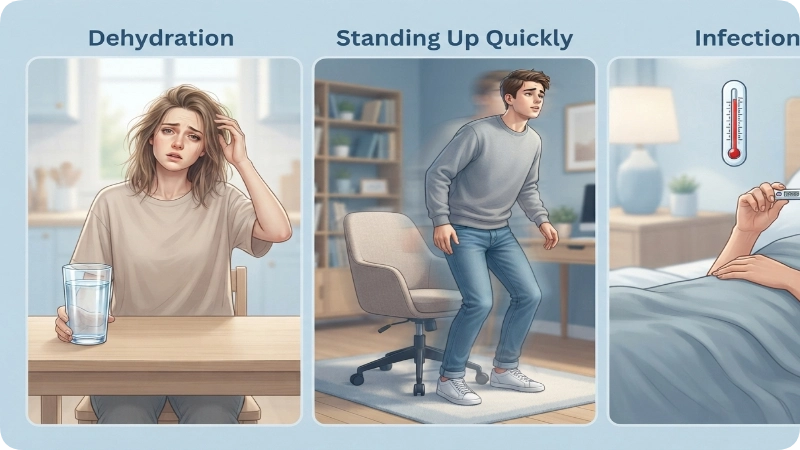
Several factors can push BP below the typical range. Some are temporary and harmless, while others point to an underlying condition.
Dehydration reduces blood volume, which lowers the pressure your heart can generate. This can happen from not drinking enough fluids, sweating heavily, vomiting, or diarrhea.
Standing up too quickly can cause a brief drop as blood temporarily pools in the legs before circulation adjusts. This is one of the most common everyday causes of dizziness.
Heart conditions such as a slow heart rate, heart valve problems, or heart failure can limit how effectively the heart pumps blood, lowering pressure throughout the body.
Endocrine problems, including thyroid disorders, low blood sugar, and adrenal gland issues like Addison’s disease, can interfere with the hormones that help regulate it.
Blood loss from an injury, surgery, or internal bleeding reduces the total volume of blood, which directly lowers pressure.
Severe infection (septic shock) can cause blood vessels to widen dramatically, leading to a dangerous drop in pressure.
Pregnancy often causes a modest, temporary drop in blood pressure because circulation expands to support the growing baby.
Nutritional deficiencies, particularly low levels of vitamin B12 or folate, can affect red blood cell production and lower blood pressure.
Medications including diuretics, beta blockers, drugs for Parkinson’s disease, certain antidepressants, and erectile dysfunction medications can lower it as a side effect.
Types of Hypotension
Doctors often categorize low blood pressure by when and why it happens, since the trigger affects both diagnosis and treatment.
Orthostatic (Postural) Hypotension
This type happens when blood pressure drops suddenly after standing up from sitting or lying down. It’s especially common in older adults, people who are dehydrated, and those taking certain medications.
Postprandial Hypotension
This describes a drop in BP that occurs after eating, as blood flow redirects to the digestive system. It mostly affects older adults and people with conditions like Parkinson’s disease or diabetes.
Neurally Mediated Hypotension
This occurs when a miscommunication between the heart and brain causes blood pressure to fall after standing for a long period. It’s more common in children and young adults.
Severe Hypotension Linked to Shock
This is the most serious form, caused by sudden blood loss, severe infection, major allergic reactions, or serious heart problems. It’s a medical emergency because organs aren’t getting enough blood flow.
Who Is More Likely to Develop Low Blood Pressure?
Although hypotension can affect anyone, certain groups are more likely to experience it because of age, lifestyle, or underlying health conditions.
People at higher risk include:
- Older adults, especially when standing up or after meals.
- Endurance athletes with naturally lower resting blood pressure.
- Having a baby women, particularly during the first and second trimesters.
- People taking medications that lower blood pressure.
- Individuals with diabetes, Parkinson’s disease, or certain heart conditions.
- Anyone recovering from dehydration, illness, or significant blood loss.
Being in one of these groups doesn’t automatically mean low blood pressure is dangerous, but it may make regular monitoring more important.
Signs and Symptoms to Watch For
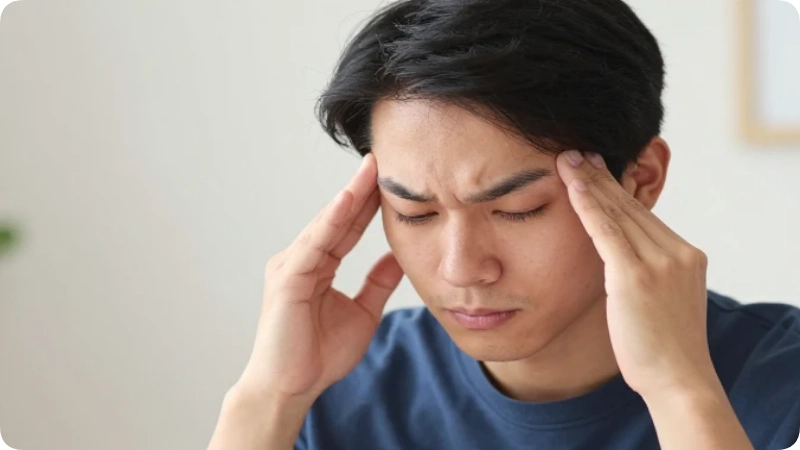
Many people with slightly low BP have no symptoms at all. When symptoms do appear, they usually relate to the brain and organs not receiving quite enough blood flow.
Common symptoms include:
- Dizziness or lightheadedness, especially when standing up
- Blurred or fading vision
- Fatigue or unusual weakness
- Difficulty concentrating
- Nausea
- Cold, clammy, or pale skin
- Fainting (medically called syncope)
- Rapid, shallow breathing
- A fast or irregular heartbeat
If someone experiences fainting, confusion, chest pain, difficulty breathing, or symptoms of shock alongside a low reading, that’s a signal for urgent medical evaluation rather than home monitoring.
Is Low Blood Pressure Always a Problem?
Not necessarily. For many people, low blood pressure is simply their normal baseline and reflects good cardiovascular health. Long distance runners, cyclists, and other endurance athletes frequently have lower resting readings because their hearts pump more efficiently.
Low blood pressure becomes a concern when it’s:
- Sudden or a noticeable drop from a person’s usual range
- Accompanied by symptoms like dizziness, fainting, or confusion
- Linked to an underlying condition, injury, or medication side effect
- Severe enough to reduce blood flow to vital organs
A helpful way to think about it: the number on its own is just data. What matters clinically is if the body is getting enough blood flow to function normally.
Low Blood Pressure vs. High Blood Pressure
People sometimes assume low blood pressure is simply the opposite problem of high blood pressure, but the health implications are quite different.
| Low Blood Pressure (Hypotension) | High Blood Pressure (Hypertension) | |
| Definition | Below 90/60 mmHg | 130/80 mmHg or higher |
| Common risk | Reduced blood flow to organs, fainting, falls | Long term strain on arteries, heart, and kidneys |
| Typical symptoms | Dizziness, fatigue, blurred vision | Often no symptoms until advanced |
| Who’s affected more | Can occur at any age; more sudden episodes in older adults | More common with age, weight gain, and family history |
| Main concern | Usually acute or situational | Usually a long term, silent condition |
High BP tends to cause damage gradually and silently over years, while low BP more often causes immediate symptoms tied to reduced blood flow in the moment.
When to See a Doctor
Occasional mild dizziness after standing up quickly usually isn’t a reason to worry. However, it’s worth scheduling a doctor’s visit if low readings are frequent, unexplained, or paired with symptoms that interfere with daily life.
Seek prompt medical care if low blood pressure comes with:
- Fainting or near fainting episodes
- Chest pain or pressure
- Trouble breathing
- Confusion or slurred speech
- Cold, clammy, or blue tinged skin
- A weak, rapid pulse
- Signs of an allergic reaction, such as swelling or hives
These combinations can point to shock or a serious cardiovascular event, both of which need emergency attention rather than a routine appointment.
Managing Low Blood Pressure Day to Day

For people whose low blood pressure comes with mild, occasional symptoms, doctors often suggest simple lifestyle adjustments before considering medication.
Stay hydrated. Drinking enough water helps maintain blood volume, which supports steadier pressure.
Stand up gradually. Moving from lying down to standing in stages gives circulation time to adjust and can reduce dizziness.
Eat smaller, more frequent meals. This can help reduce the BP dip that sometimes follows large meals.
Wear compression stockings. These help prevent blood from pooling in the legs, which can support better circulation back to the heart.
Review medications with a doctor. Since several common medications can lower BP as a side effect, a doctor can check if a dosage adjustment might help.
Limit alcohol. Alcohol can worsen dehydration and amplify blood pressure drops.
These strategies help many people manage mild symptoms, but anyone with a diagnosed underlying condition should follow their doctor’s specific treatment plan rather than relying on general lifestyle tips alone.
Can Low Blood Pressure Be Prevented?
Not every case of low BP can be prevented, especially when it’s linked to genetics or certain medical conditions. However, many everyday episodes can be reduced by healthy habits.
Helpful preventive steps include:
- Drinking enough fluids throughout the day.
- Avoiding standing up suddenly after sitting or lying down.
- Eating balanced meals at regular intervals.
- Following your healthcare provider’s instructions when taking BP medications.
- Limiting alcohol if it tends to trigger symptoms.
- Staying physically active to support healthy circulation.
If you frequently experience dizziness or fainting despite these measures, it’s important to discuss your symptoms with a healthcare provider rather than trying to manage them on your own.
FAQs
What is considered dangerously low blood pressure?
Readings that drop well below 90/60 mmHg and come with symptoms like fainting, confusion, cold or clammy skin, or a weak pulse are considered dangerously low and warrant emergency care, since these signs suggest organs aren’t getting adequate blood flow.
Can low blood pressure cause a heart attack?
Low BP itself doesn’t cause a heart attack, but severely low pressure can reduce blood flow to the heart muscle in people who already have underlying heart disease, which is one reason sudden or severe drops need medical evaluation.
Is low blood pressure hereditary?
Genetics can influence a person’s typical blood pressure range, and some people naturally run lower than average throughout their lives without any related health condition.
Does low blood pressure mean a healthy heart?
Not always. While a naturally low reading in someone without symptoms often reflects good cardiovascular fitness, low blood pressure caused by an underlying condition, blood loss, or infection doesn’t reflect heart health at all.
Can drinking water raise low blood pressure quickly?
Drinking water can provide a modest, fairly quick boost to blood pressure by increasing blood volume, which is why hydration is one of the first recommendations for mild, dehydration related low readings.
What foods help with low blood pressure?
Foods with a bit more sodium, along with adequate fluids, are sometimes recommended by doctors for people with chronically low readings, though anyone with heart or kidney conditions should check with a doctor before increasing sodium intake.
Can anxiety cause low blood pressure?
Anxiety is more commonly linked to temporary spikes in BP, but in some people, intense stress or a fainting response tied to anxiety can trigger a brief drop, particularly in cases of neurally mediated hypotension.
Key Takeaways
- Low blood pressure generally means a reading below 90/60 mmHg.
- Many healthy people naturally have low blood pressure without any symptoms.
- Symptoms such as dizziness, fainting, blurred vision, or weakness are often more important than the number itself.
- Common causes include dehydration, medications, pregnancy, heart conditions, and certain hormonal disorders.
- Seek prompt medical attention if low blood pressure is accompanied by chest pain, difficulty breathing, confusion, or signs of shock.
Conclusion
Low blood pressure means your circulatory system is pushing blood through your arteries with less force than the typical range, generally under 90/60 mmHg. For many people, this is simply their normal, healthy baseline. For others, it’s a sign of dehydration, medication side effects, or an underlying condition that deserves attention.
The number alone doesn’t tell the full story, what matters most is if your body is getting the blood flow it needs and if you’re experiencing symptoms. If dizziness, fainting, or other warning signs show up alongside a low reading, that’s the moment to check in with a doctor rather than wait it out.