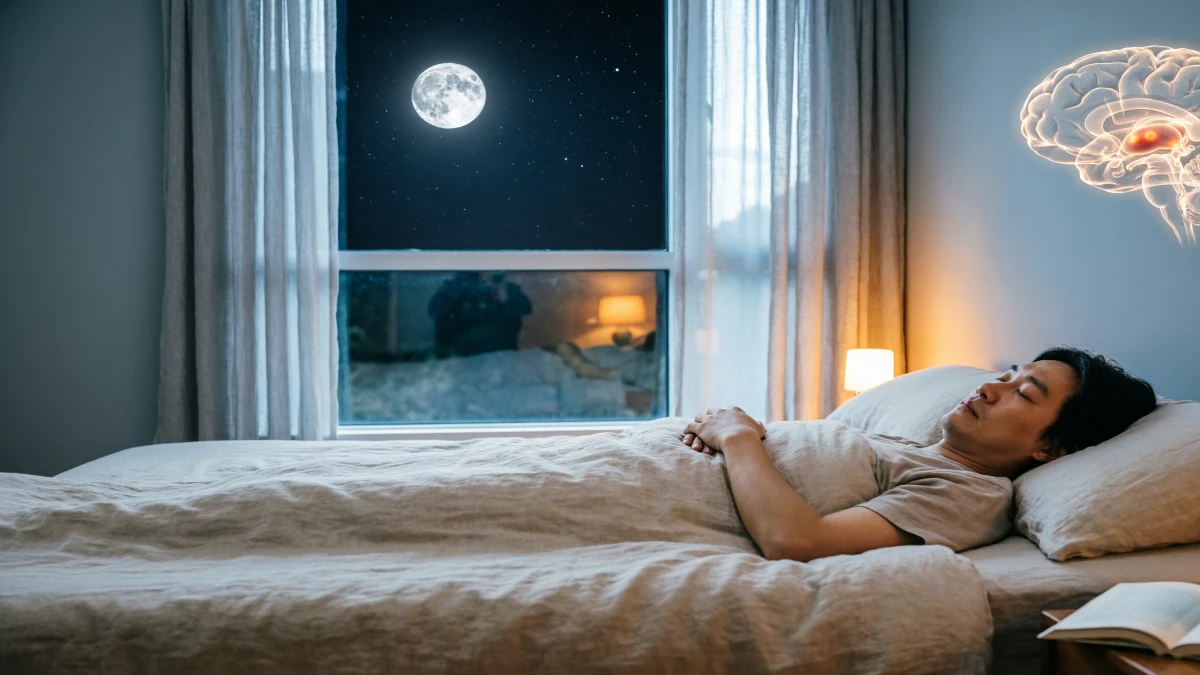
Melatonin tells your brain when it’s time to sleep and when it’s time to wake up. Your body makes it naturally, and darkness triggers its release while light suppresses it. This single hormone shapes far more than bedtime it touches your immune system, your mood, and even how your body handles stress.
Millions of people take melatonin supplements every year, yet many still don’t understand what the hormone actually does inside the body. This article breaks down melatonin’s real function, how supplements compare to your body’s own supply, when to use it, and what science currently says about its safety.
Table of Contents
- What Is Melatonin?
- How Melatonin Works in Your Body
- What Does Melatonin Do Beyond Sleep?
- Natural Melatonin vs. Supplement Melatonin
- When Should You Take Melatonin?
- Side Effects and Safety Considerations
- General Dosage Guidance
- Common Myths About Melatonin
- Melatonin vs. Other Sleep Aids
- Expert Tips for Supporting Natural Melatonin Production
- FAQ
- Conclusion
What Is Melatonin and Where Is It Made?
It is a hormone made mostly by the pineal gland, a pea-sized structure deep in your brain. Your body produces it in response to darkness, which is why levels rise in the evening and drop after sunrise.
Scientists sometimes call it the “darkness hormone” rather than the “sleep hormone,” because it doesn’t force you to sleep. Instead, it signals to your body that nighttime has arrived, preparing your systems to wind down.
Small amounts of melatonin also exist in the gut, retina, and skin, though the pineal gland supplies the majority that circulates through your bloodstream.
How Melatonin Works in Your Body
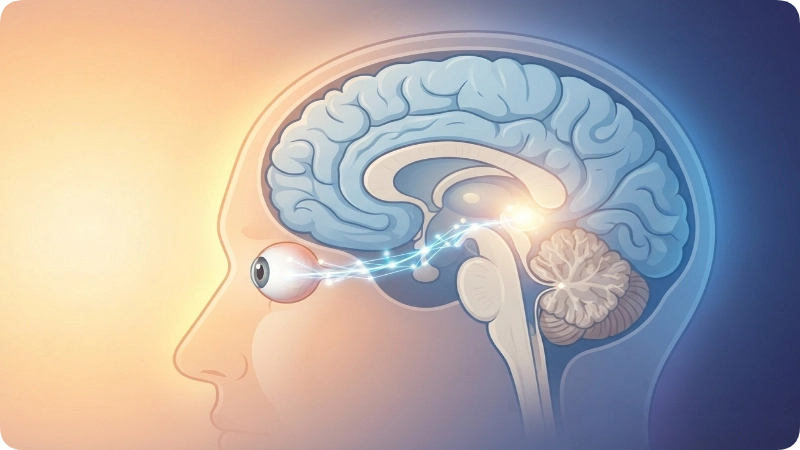
Your eyes contain light-sensitive cells that detect brightness and send signals to a brain region called the suprachiasmatic nucleus (SCN). Think of the SCN as your body’s master clock it coordinates sleep, hunger, hormone release, and body temperature on a roughly 24-hour cycle known as the circadian rhythm.
When light fades in the evening, the SCN signals the pineal gland to release it. Levels typically start climbing two to three hours before your usual bedtime, peak in the middle of the night, and fall again as morning light returns.
This is why exposure to bright screens or overhead lighting late at night can delay its release and make it harder to fall asleep. Your body reads that light as a signal that it isn’t nighttime yet.
What Does Melatonin Do to Your Body Clock?
Your body runs on an internal 24-hour schedule called the circadian rhythm. This biological clock controls much more than sleep. It influences when you feel alert or tired, how your body temperature changes throughout the day, when certain hormones are released, and even how your metabolism functions.
It acts as one of the main signals that keeps this clock on time. As daylight fades, its levels gradually rise, telling your brain that nighttime has arrived. This doesn’t force you to fall asleep instantly, but it prepares your body for rest by making you feel sleepier and encouraging the natural changes that occur before sleep.
In the morning, exposure to natural light suppresses melatonin production. As hormone levels fall, your brain receives the signal to become more alert and begin the daytime portion of your circadian rhythm.
When your body clock falls out of sync because of jet lag, shift work, or irregular sleep schedules melatonin release can become delayed or disrupted. This often makes it harder to fall asleep at the desired time and may leave you feeling tired during the day.
What Else Does Melatonin Do Besides Help You Sleep?
Melatonin’s job doesn’t stop at bedtime signaling. Research over the past two decades has uncovered several additional roles.
Antioxidant Activity
It helps neutralize unstable molecules called free radicals, which can damage cells over time. This antioxidant behavior is one reason researchers continue studying melatonin’s potential role in aging and chronic disease.
Immune System Support
Immune cells contain its receptors, and some studies suggest melatonin helps regulate inflammatory responses. The relationship is complex, and it should not be viewed as a treatment for immune conditions.
Reproductive and Seasonal Signaling
In many animals, its duration signals the length of the night, which influences seasonal breeding patterns. In humans, it also interacts with reproductive hormones, though its exact role is still being studied.
Temperature and Digestive Regulation
It contributes to the nightly drop in core body temperature that accompanies sleep onset. It also appears in the digestive tract, where researchers are exploring its influence on gut motility.
Natural Melatonin vs. Supplement Melatonin

Your body produces melatonin in small, precisely timed pulses. Supplements, by contrast, deliver a fixed dose all at once, which doesn’t always match your body’s natural rhythm.
| Feature | Natural Melatonin | Supplement Melatonin |
| Release pattern | Gradual, timed by darkness | Immediate, fixed dose |
| Source | Pineal gland | Synthetic or animal-derived |
| Regulation | Tightly controlled by light exposure | Set by the product label |
| Typical use | Ongoing body clock regulation | Short-term sleep support |
Because supplement doses often exceed what the body naturally produces in one pulse, some people experience grogginess the next morning. Choosing a lower dose can reduce this effect for many users.
How Long Does Melatonin Stay in Your System?
Melatonin doesn’t stay in your body all night at the same level. Your natural melatonin rises during the evening, reaches its highest level in the middle of the night, and gradually falls as morning approaches.
Melatonin supplements work differently. Instead of being released gradually by your body, they deliver a fixed amount all at once. Immediate-release products are absorbed quickly and are generally cleared from the body within several hours, while extended-release versions remain active for longer.
How long melatonin stays in your system depends on several factors, including:
- The dose you take
- Your age
- Liver function
- Whether the supplement is immediate- or extended-release
- Other medications you use
Taking melatonin too late in the evening or using more than you need can increase the chance of waking up feeling groggy the next morning.
When Should You Take Melatonin?
Melatonin supplements are most commonly used for temporary sleep challenges rather than everyday sleeplessness.
- Jet lag Taking melatonin close to the target time zone’s bedtime can help reset your internal clock faster.
- Shift work People adjusting to night shifts sometimes use melatonin to sleep during daylight hours.
- Delayed sleep phase Those who naturally fall asleep very late may use melatonin earlier in the evening to shift their schedule.
- Occasional sleep onset trouble Some people take it during short stretches of stress-related sleeplessness.
Melatonin generally works best when taken 30 to 60 minutes before the desired sleep time, paired with a dim, screen-free environment.
Side Effects and Safety Considerations
Melatonin is considered low-risk for short-term use in healthy adults, but side effects can still occur.
Common side effects include:
- Daytime drowsiness or grogginess
- Mild headache
- Dizziness
- Vivid dreams or nightmares
- Stomach discomfort
Melatonin can also interact with certain medications, including blood thinners, immune-suppressing drugs, and diabetes medications. Anyone pregnant, breastfeeding, or managing a chronic condition should talk with a doctor before starting melatonin, since research on long-term use in these groups remains limited.
General Dosage Guidance
Melatonin dosing varies widely between products, and there is no single “correct” dose for everyone. Many over-the-counter products range from 0.5 mg to 5 mg, though higher doses don’t necessarily improve sleep quality.
Lower doses often mimic the body’s natural nightly output more closely, while higher doses raise the chance of next-day grogginess. Because supplement regulation varies by country, actual melatonin content can differ from what’s printed on the label.
This article offers general information only. A doctor or pharmacist can recommend a dose based on your specific health history.
Can You Take Melatonin Every Night?
Many people wonder whether melatonin is safe to use every evening. For most healthy adults, short-term melatonin use is generally considered low risk, but researchers know less about the effects of taking it every night for months or years.
Melatonin works best as a tool for adjusting your body clock rather than as a permanent solution for ongoing sleep problems. If you find yourself relying on it regularly, it may be worth looking for the underlying cause of your sleep difficulties instead of simply increasing the dose.
Long-term sleep problems can result from conditions such as insomnia, sleep apnea, anxiety, depression, certain medications, or inconsistent sleep habits. Treating those issues often improves sleep more effectively than relying on supplements alone.
If you’ve needed melatonin almost every night for several weeks or months, consider discussing your sleep with a healthcare professional. They can help determine whether another treatment or lifestyle change would be more appropriate.
Common Myths About Melatonin
Myth: Melatonin knocks you out immediately. Melatonin signals your body that it’s nighttime it doesn’t sedate you the way sleep medications do.
Myth: More melatonin means better sleep. Studies generally show that higher doses don’t produce proportionally better sleep and may increase side effects instead.
Myth: Melatonin is safe to use every night indefinitely. Long-term nightly use hasn’t been studied as thoroughly as short-term use, so ongoing use is best discussed with a healthcare provider.
Myth: Melatonin only affects sleep. As covered above, melatonin also plays roles in antioxidant defense, immune regulation, and temperature control.
Melatonin vs. Other Sleep Aids
| Sleep Aid | How It Works | Best For | Dependency Risk |
| Melatonin | Signals darkness/nighttime to the brain | Circadian rhythm shifts, jet lag | Low |
| Antihistamines (e.g., diphenhydramine) | Causes drowsiness through sedation | Occasional short-term use | Low to moderate |
| Prescription sleep medications | Directly sedates the central nervous system | Diagnosed insomnia under supervision | Moderate to high |
| Cognitive behavioral therapy for insomnia (CBT-I) | Changes sleep habits and thought patterns | Long-term insomnia | None |
Melatonin fills a specific niche: adjusting the timing of sleep rather than forcing sleep to happen.
Expert Tips for Supporting Natural Melatonin Production

You can support your body’s own melatonin release without relying on supplements.
- Dim household lights in the evening, especially overhead lighting.
- Reduce screen brightness or use night-mode settings after sunset.
- Get natural sunlight exposure in the morning, which helps anchor your circadian rhythm.
- Keep a consistent sleep and wake schedule, even on weekends.
- Avoid caffeine late in the day, since it can delay melatonin release indirectly by keeping you alert.
These habits often improve sleep quality more sustainably than supplements alone.
When Should You Talk to a Doctor About Melatonin?
Melatonin can be helpful for some sleep-related problems, but it isn’t the right solution for every situation. If your sleep difficulties continue despite good sleep habits or appropriate melatonin use, it’s important to seek medical advice rather than continuing to self-treat.
Consider talking with a healthcare provider if:
- You have trouble sleeping for several weeks or longer.
- Melatonin doesn’t seem to help.
- You regularly need higher doses to get the same effect.
- You experience frequent daytime sleepiness or severe morning grogginess.
- You take medications that may interact with melatonin.
- You’re pregnant, breastfeeding, or have a chronic medical condition.
Seek immediate medical attention if you experience severe confusion, difficulty breathing, chest pain, fainting, or other serious symptoms after taking melatonin or combining it with other medicines.
A healthcare professional can help determine whether your sleep problem is related to your circadian rhythm, another medical condition, or a sleep disorder that requires different treatment.
FAQs
Does melatonin make you fall asleep faster?
Melatonin can shorten the time it takes to fall asleep for some people, particularly when timing issues like jet lag or shift work are involved. Its effect on habitual, otherwise healthy sleepers tends to be smaller.
Can you build a tolerance to melatonin?
Current research doesn’t show strong evidence of tolerance building the way it does with some sedatives, but long-term studies remain limited.
Is it safe to give melatonin to children?
Some doctors recommend melatonin for specific pediatric sleep issues, but dosing and safety should always be guided by a pediatrician rather than general adult guidelines.
Does melatonin affect mood?
Melatonin’s link to sleep quality can indirectly affect mood, and its interaction with certain brain chemicals is still being researched.
Can you take melatonin with alcohol?
Combining melatonin with alcohol isn’t recommended, since alcohol can disrupt the sleep cycle melatonin is meant to support.
Why do I feel groggy after taking melatonin?
Grogginess usually points to a dose that’s too high or taken too close to wake-up time, since melatonin can still be active in your system the next morning.
Does melatonin expire or lose effectiveness over time?
Like most supplements, melatonin can degrade past its expiration date, which may reduce its potency rather than make it unsafe.
Conclusion
Melatonin is your body’s nighttime signal, produced naturally to guide your circadian rhythm rather than force sleep outright. Beyond sleep timing, it supports antioxidant defense, immune balance, and temperature regulation.
Supplements can help with specific situations like jet lag or shift work, but they work best as a short-term tool alongside healthy light and sleep habits not as a nightly replacement for your body’s own rhythm.