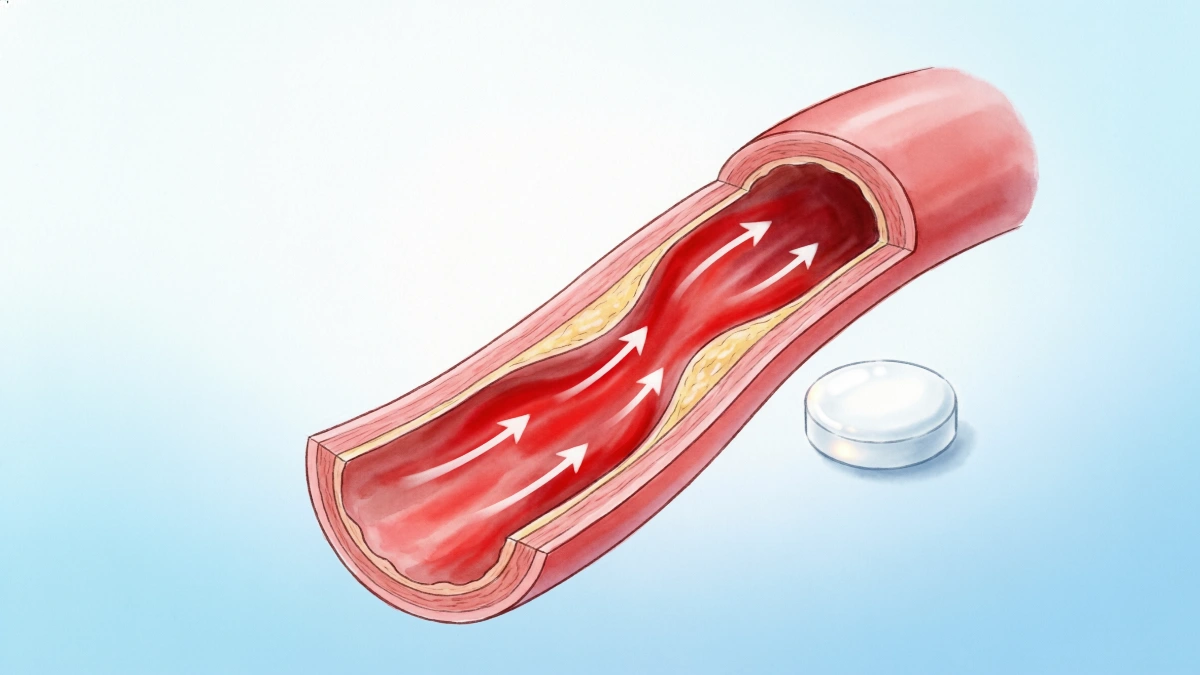
Viagra helps a man get and keep an erection by relaxing blood vessels and increasing blood flow to the penis during sexual arousal. It does not create desire on its own and it does not work without stimulation. This article explains exactly how Viagra works in the body, how long it takes to act, what it can’t do, and what to know before taking it.
In simple words, Viagra helps improve blood flow to the penis during sexual arousal, making it easier to get and keep an erection. It only works when sexual stimulation occurs and does not increase sexual desire or permanently cure erectile dysfunction.
Table of Contents
- What Is Viagra and What Is It Used For
- How Viagra Works in the Body
- How Long Does Viagra Take to Work and How Long Does It Last
- What Viagra Does Not Do
- Common Side Effects
- Who Should Avoid Viagra
- Viagra vs Other ED Medications
- Tips for Taking Viagra Safely
- FAQ
- Conclusion
What Is Viagra and What Is It Used For
Viagra is the brand name for sildenafil, a prescription medication that treats erectile dysfunction (ED). Doctors first studied sildenafil as a treatment for chest pain and high blood pressure, but researchers noticed a different effect during trials: it improved erections. That discovery led to its approval as an ED treatment.
Sildenafil belongs to a drug class called PDE5 inhibitors. Other medications in this class include tadalafil (Cialis) and vardenafil (Levitra). All of them treat ED, though they differ in how fast they act and how long their effects last.
Some doctors also prescribe sildenafil, under the brand name Revatio, for pulmonary arterial hypertension, a condition involving high blood pressure in the lungs. This article focuses on Viagra’s use for erectile dysfunction, since that’s the reason most people search for it.
Viagra helps manage the symptoms of erectile dysfunction, but it does not cure the condition itself. Erectile dysfunction can have many underlying causes, including diabetes, heart disease, stress, anxiety, hormonal changes, or certain medications. Because of this, doctors often recommend evaluating the cause of ED in addition to prescribing treatment for the symptoms.
How Should Viagra Be Stored?
Store Viagra at room temperature in a dry place away from direct heat, moisture, and sunlight.
Keep the medication in its original packaging and out of the reach of children and pets.
Do not use Viagra after its expiration date, and dispose of unused medication according to local pharmacy or healthcare guidance rather than flushing it unless specifically instructed.
How Strong Is Viagra? Understanding Available Dosages
Viagra is available in several prescription strengths, most commonly 25 mg, 50 mg, and 100 mg. The right dose depends on factors such as your age, overall health, other medications you take, and how well the medicine works for you.
For many people, healthcare providers start with a 50 mg dose and adjust it if needed. Some people respond well to 25 mg, while others may require 100 mg. Taking a higher dose does not necessarily produce a better erection, but it can increase the likelihood of side effects.
Only a healthcare provider should decide whether your dose needs to be increased or decreased. Never take more than one prescribed dose within a 24-hour period unless specifically instructed by your doctor.
How Effective Is Viagra?
Clinical studies have shown that Viagra improves erectile function for many men with erectile dysfunction, although results vary depending on the underlying cause of ED.
Men with mild erectile dysfunction often respond better than those with severe nerve damage or certain advanced medical conditions. Diabetes, previous prostate surgery, cardiovascular disease, and psychological factors can all influence how well the medication works.
If Viagra does not provide satisfactory results after several properly timed attempts, a healthcare provider may recommend adjusting the dose or considering another treatment option.
How Should Viagra Be Taken?
Take Viagra exactly as prescribed by your healthcare provider, usually about 30 to 60 minutes before planned sexual activity. Swallow the tablet with water, and avoid taking more than one dose within a 24 hour period unless your doctor specifically instructs otherwise.
The medication can be taken with or without food, although a heavy meal may delay its effects. Because individual responses vary, your doctor may adjust the dosage based on how well the medication works and if you experience side effects.
Following the prescribed instructions helps maximize effectiveness while reducing the risk of complications.
How Viagra Works in the Body
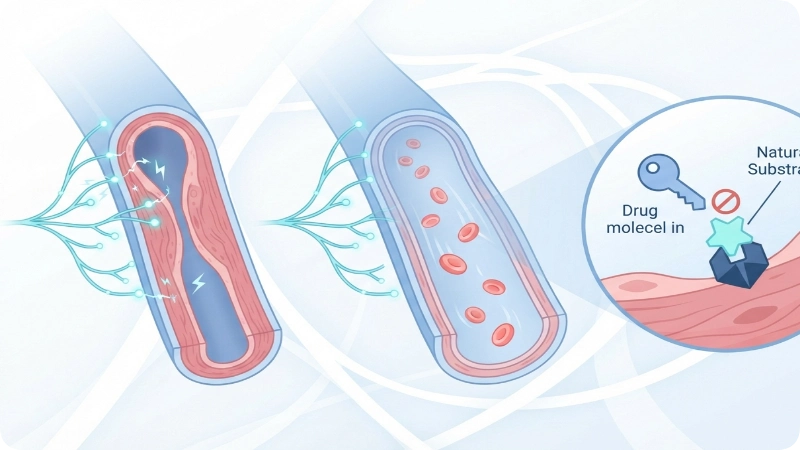
Understanding what Viagra actually does requires a quick look at how an erection happens naturally.
The Role of Nitric Oxide and Blood Flow
During sexual arousal, nerves in the penis release a chemical called nitric oxide. This chemical signals the surrounding blood vessels to relax and widen. As the vessels open up, blood flows into the spongy tissue of the penis, and it becomes firm. Without enough blood flow, an erection can’t happen or can’t be sustained.
PDE5 Enzyme Blocking
The body naturally breaks down the chemical signal that keeps blood vessels relaxed, using an enzyme called PDE5 (phosphodiesterase type 5). Viagra blocks this enzyme. With PDE5 out of the way, the signal that widens blood vessels lasts longer, so blood keeps flowing into the penis more effectively during arousal.
This is the key point people often misunderstand: Viagra amplifies a process the body already starts. It does not trigger arousal by itself, and it has no effect without sexual stimulation.
When Does Viagra Work Best?
Although Viagra often begins working within 30 to 60 minutes, many people notice its strongest effects about one hour after taking it.
Several factors influence how quickly it works, including:
- whether you have eaten recently
- the fat content of your meal
- your metabolism
- alcohol consumption
- the prescribed dose
Planning ahead and taking Viagra under similar conditions each time can help make its effects more predictable.
What Happens After Viagra Wears Off?
As Viagra leaves the body, its ability to support blood flow gradually decreases. Once the medication has worn off, erectile function returns to its usual pattern unless another dose is taken on a different day.
Most men do not notice any special “comedown” after the medicine wears off. The drug simply becomes less active over several hours as the body breaks it down and eliminates it.
If erectile dysfunction continues to worsen despite treatment, it’s important to speak with a healthcare provider rather than increasing the dose without medical advice.
Why Might Viagra Not Work?
Although Viagra is effective for many men, it does not work in every situation. Several factors can reduce its effectiveness, especially during the first few attempts.
Common reasons include:
- Taking the medication immediately after a large, high fat meal, which slows absorption.
- Not allowing enough time for the medicine to begin working.
- Lack of sexual stimulation, since Viagra supports the body’s natural response rather than creating an automatic erection.
- Drinking excessive alcohol, which can make erections more difficult.
- An incorrect dose or an underlying medical condition that requires further evaluation.
If Viagra repeatedly fails to work as expected, it’s important to speak with a healthcare provider rather than increasing the dose on your own. A doctor may recommend adjusting the dose, trying another treatment, or investigating the underlying cause of erectile dysfunction.
Who Can Benefit from Viagra?
Viagra is primarily prescribed for adult men diagnosed with erectile dysfunction. It may be helpful for men whose ED is related to reduced blood flow, diabetes, aging, certain medications, psychological stress, or other medical conditions.
However, not every case of erectile dysfunction responds equally. Because ED can result from physical, emotional, or hormonal factors, healthcare providers often recommend a complete medical evaluation before deciding if Viagra is the most appropriate treatment.
Medical professionals generally discourage using Viagra without guidance, particularly if you do not have erectile dysfunction or have health conditions that make the medication unsafe.
How Long Does Viagra Take to Work and How Long Does It Last
Viagra typically starts working within 30 to 60 minutes after swallowing the tablet. Taking it with a large, high fat meal can slow down absorption, so many doctors recommend taking it on an empty stomach or after a light meal for the most predictable results.
The effects generally last about 4 to 5 hours, though this varies based on dose, individual metabolism, and other factors like age or liver function. During that window, a man can get an erection with stimulation, but the medication does not cause a constant or automatic erection.
Individual response times can vary. Some men notice effects in as little as 30 minutes, while others may need closer to an hour. Planning ahead and taking Viagra under similar conditions each time can help produce more predictable results.
What Viagra Does Not Do
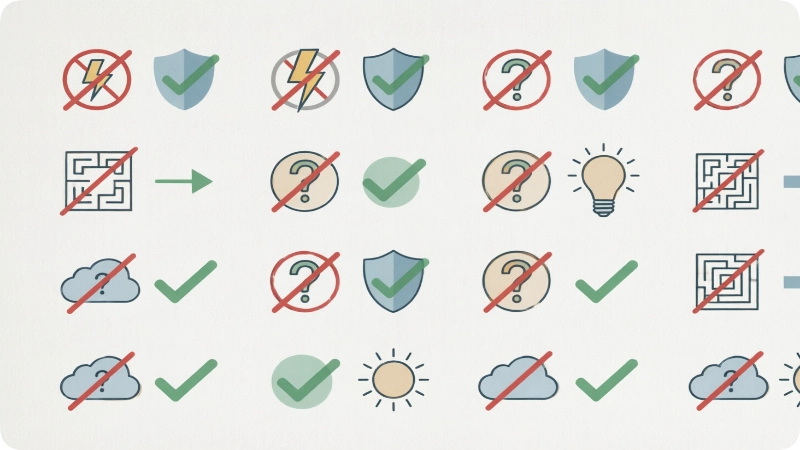
Because Viagra is widely discussed in pop culture, several myths surround it. Clearing these up helps set realistic expectations.
- It does not increase sexual desire. Viagra affects blood flow, not libido. A person still needs to feel aroused for it to work.
- It does not cause an erection without stimulation. Sexual arousal is still required to trigger the process Viagra supports.
- It does not make the penis larger than a person’s normal erect size. It only supports the natural erectile process.
- It does not protect against sexually transmitted infections. It has no effect on infection risk and is unrelated to condom use.
- It does not cure erectile dysfunction permanently. It’s a temporary aid used before sexual activity, not a long term fix for the underlying cause.
It does not improve fertility.
Viagra helps with erections but does not increase sperm count, improve sperm quality, or treat male infertility. Although it may help some couples by making intercourse easier, it is not considered a fertility medication.
Does Food or Alcohol Affect Viagra?
Yes. What you eat and drink before taking Viagra can influence how quickly and how well it works.
A heavy meal, especially one high in fat, may slow the absorption of sildenafil into the bloodstream. As a result, the medication may take longer to begin working than expected.
Alcohol can also reduce the effectiveness of Viagra. While moderate drinking is not always a problem, excessive alcohol consumption can make it more difficult to achieve or maintain an erection and may increase side effects such as dizziness or low blood pressure.
For the most predictable results, many healthcare providers recommend taking Viagra after a light meal and limiting alcohol intake.
What Should You Expect After Taking Viagra?
Viagra does not cause an immediate or continuous erection. Instead, it prepares the body to respond more effectively when sexual stimulation occurs.
During its active period, many men find it easier to achieve and maintain an erection than they would without treatment. Once the medication wears off, erectile function typically returns to its usual pattern unless another dose is taken.
If an erection lasts longer than four hours, immediate medical attention is necessary because prolonged erections can damage penile tissue if left untreated.
Common Side Effects
Like any medication, Viagra can cause side effects. Most are mild and temporary, related to its effect on blood vessels throughout the body, not just in the penis.
Commonly reported side effects include:
- Headache
- Flushing (warmth or redness in the face)
- Upset stomach
- Stuffy or runny nose
- Dizziness
- Visual changes, such as a blue tinge to vision or increased light sensitivity
Less common but more serious effects can include a sudden drop in blood pressure, prolonged erections lasting more than four hours (a condition called priapism that needs urgent medical care), and sudden vision or hearing loss. Anyone experiencing these symptoms should seek medical attention right away.
Most side effects are mild and disappear as the medication leaves the body. Many people experience no side effects at all. However, anyone who develops chest pain, severe dizziness, sudden vision loss, sudden hearing loss, or an erection lasting longer than four hours should seek emergency medical care immediately.
Who Should Avoid Viagra
Viagra isn’t right for everyone. A doctor evaluates a person’s full health history before prescribing it, because certain conditions and medications raise the risk of complications.
People generally should not take Viagra if they:
- Take nitrate medications for chest pain, since combining the two can cause a dangerous drop in blood pressure
- Have certain heart conditions where sexual activity itself is considered risky
- Have very low blood pressure
- Have had a recent stroke or heart attack
- Take certain other medications that interact with sildenafil
This list isn’t exhaustive. Anyone considering Viagra should discuss their full medical history and current medications with a doctor or pharmacist first, since only a healthcare provider can assess individual risk.
People with significant kidney or liver disease may also require lower doses because the body processes sildenafil more slowly in these conditions. Dose adjustments should always be determined by a healthcare provider.
Medicines That Can Interact With Viagra
Several medications may interact with sildenafil and increase the risk of side effects or complications.
Examples include:
- nitrate medications for chest pain
- certain alpha-blockers
- some antifungal medicines
- certain antibiotics
- HIV medications
- medications that strongly affect liver enzymes
Because interactions vary, always tell your healthcare provider about every prescription medicine, over-the-counter drug, vitamin, and herbal supplement you take before starting Viagra.
Viagra vs Other ED Medications

Several PDE5 inhibitors are available, and they work in similar ways but differ in timing.
| Medication | Active Ingredient | Starts Working | Duration | Daily Option Available |
| Viagra | Sildenafil | 30–60 minutes | 4–5 hours | No |
| Cialis | Tadalafil | 30–60 minutes | Up to 36 hours | Yes |
| Levitra | Vardenafil | 30–60 minutes | 4–5 hours | No |
| Stendra | Avanafil | 15–30 minutes | 4–6 hours | No |
Quick Facts Table
| Quick Fact | Information |
| Generic name | Sildenafil |
| Brand name | Viagra |
| Drug class | PDE5 inhibitor |
| Main use | Erectile dysfunction |
| Prescription required | Usually yes |
| Typical onset | 30–60 minutes |
| Typical duration | 4–5 hours |
| Requires sexual stimulation | Yes |
Tips for Taking Viagra Safely
- Take it roughly an hour before planned sexual activity for the most predictable timing.
- Avoid heavy, fatty meals right before taking it, since this can delay how quickly it works.
- Don’t combine it with grapefruit juice in large amounts, as this can affect how the body processes the drug.
- Never combine it with recreational drugs like nitrates (“poppers”), since this combination can be dangerous.
- Only take the dose prescribed by a doctor. Taking more does not make it work better and increases the risk of side effects.
- Limit alcohol intake, since heavy drinking can reduce effectiveness and increase side effects like dizziness.
- Store Viagra at room temperature in its original packaging, away from excess heat and moisture, and keep it out of reach of children and pets.
What If You Miss a Dose?
Since Viagra is normally taken only when needed before sexual activity, there is no regular dosing schedule for most people. If you forget to take it before planned intercourse, simply wait until the next appropriate opportunity. Do not take two doses close together to make up for a missed one.
Viagra vs Generic Sildenafil
Many people wonder whether generic sildenafil works differently from Viagra.
The active ingredient is exactly the same. Both medications contain sildenafil and work by blocking the PDE5 enzyme to improve blood flow during sexual stimulation.
The main differences usually involve:
- brand name versus generic labeling
- tablet appearance
- manufacturer
- price
When approved by the appropriate regulatory authority, generic sildenafil must meet the same standards for quality, safety, and effectiveness as the brand-name medication.
FAQs
Does Viagra make you last longer in bed?
Viagra is not designed to treat premature ejaculation. It helps men achieve and maintain erections rather than control ejaculation timing. Some men report indirect benefits from reduced performance anxiety, but that’s not its intended purpose.
Can Viagra be taken every day?
Patients usually take standard Viagra as needed rather than daily. While a different low-dose daily formulation of sildenafil exists for some patients, individuals must decide this with their doctor, not as a standard over-the-counter routine.
Is Viagra safe for young, healthy men without ED?
Doctors generally prescribe it for diagnosed erectile dysfunction. Taking it without a medical need doesn’t improve normal sexual function and still carries a risk of side effects.
How long does Viagra stay in your system?
Sildenafil has a half life of roughly 4 hours, meaning the body clears about half the dose in that time. Traces can remain measurable for longer, but noticeable effects typically fade within several hours.
Can women take Viagra?
Viagra is approved for erectile dysfunction in men. It is not approved for use in women, and its effects on female sexual response haven’t been established in the same way.
Does Viagra work the first time you take it?
Many people notice an effect the first time, but response can vary. A doctor may adjust the dose if the first attempt doesn’t produce the expected result.
Can Viagra be bought without a prescription?
In many countries, Viagra requires a prescription because a doctor needs to confirm it’s safe given a person’s heart health and current medications. Buying it from unverified sources online carries a risk of counterfeit or unsafe products.
Can Viagra work without erectile dysfunction?
Viagra is designed to treat erectile dysfunction by improving blood flow during sexual arousal. In men who already have normal erectile function, it generally does not create stronger or larger erections and still carries a risk of side effects. It should only be used under the guidance of a healthcare provider.
What happens if you take Viagra and don’t have sex?
If sexual stimulation does not occur, Viagra usually has little noticeable effect. The medication enhances the body’s natural erectile response but does not trigger an erection on its own. The body gradually clears the drug after several hours.
Can you take Viagra with blood pressure medication?
People can use some blood pressure medications safely with Viagra, but others especially nitrates can cause sildenafil to drop your blood pressure dangerously. Anyone taking medication for blood pressure or heart disease should consult their healthcare provider before using Viagra.
Is generic sildenafil the same as Viagra?
Yes. Viagra is the brand name, while sildenafil is the generic version containing the same active ingredient. “Appropriate regulatory authorities hold both to the same standards for safety and effectiveness, and both work in the same way.”
Does Viagra become less effective over time?
For most people, Viagra does not lose its effectiveness simply because it has been used for a long time. However, changes in overall health, new medical conditions, or progression of erectile dysfunction may affect how well it works. A healthcare provider can determine if a dose adjustment or another treatment option is appropriate.
Can Viagra work if you have diabetes?
Yes. Many men with diabetes use Viagra successfully to treat erectile dysfunction. However, diabetes can affect blood vessels and nerves, so some people may need a different dose or another treatment. A healthcare provider can recommend the most appropriate option.
Can Viagra stop working?
Viagra does not usually stop working because of long-term use alone. However, changes in health, medications, or progression of erectile dysfunction can reduce its effectiveness over time.
Is it safe to take Viagra after age 65?
Many older adults use Viagra safely under medical supervision. Because the body may process sildenafil more slowly with age, healthcare providers sometimes recommend starting with a lower dose.
Can stress or anxiety make Viagra less effective?
Yes. Psychological factors such as stress, anxiety, depression, or relationship concerns can contribute to erectile dysfunction and may reduce the overall effectiveness of treatment. Addressing both physical and emotional factors often produces the best results.
Does Viagra affect testosterone?
No. Viagra does not increase testosterone levels. It works by improving blood flow during sexual arousal and does not change hormone production.
Conclusion
Viagra works by blocking an enzyme called PDE5, which allows blood vessels in the penis to stay relaxed longer so blood flow increases during sexual arousal. It supports an erection; it doesn’t create desire, guarantee performance, or fix the underlying cause of erectile dysfunction.
Used correctly and under medical guidance, it’s a well studied option that helps many men respond to sexual stimulation more reliably.