
“Cis” most often refers to cisgender, a term describing someone whose gender identity matches the sex they were assigned at birth.
The word also appears in chemistry and as a shortened form of other names and abbreviations, so the exact meaning depends on where you see it.
This guide breaks down every common meaning of “cis,” explains where the word comes from, and shows you how to use it correctly and respectfully in everyday conversation, writing, and online spaces.
What Does Cis Mean? (Quick Answer)
In most modern conversations, especially on social media, in workplaces, and in discussions about identity, “cis” is short for cisgender. A cisgender person identifies with the gender they were assigned at birth.
For example, someone who was assigned female at birth and identifies as a woman is cisgender. Someone assigned male at birth who identifies as a man is also cisgender.
Outside of gender discussions, “cis” shows up in a few other contexts:
- In chemistry, it describes the arrangement of atoms in certain molecules.
- As an abbreviation, it can stand for organizations or systems, such as the Commonwealth of Independent States or various technical and academic terms.
The rest of this guide covers each of these meanings in detail, starting with the one people search for most.
Where the Word “Cis” Comes From
It comes from Latin, where it means “on this side of.” It’s the direct opposite of the Latin prefix “trans,” which means “across” or “on the other side of.”
This origin explains why the words pair so naturally:
- Cis = on this side (matching)
- Trans = across or beyond (differing)
Scientists and scholars borrowed this Latin pair for chemistry terms long before it became common in conversations about gender. The gender related use of “cisgender” developed later, applying the same “same side” logic to describe someone whose gender identity aligns with their sex assigned at birth.
Cisgender: The Most Common Modern Use of “Cis”

When people ask “what does cis mean” today, they’re almost always asking about cisgender identity. Here’s a simple breakdown.
How to Pronounce “Cis”
It is pronounced “siss,” rhyming with “kiss.” The word “cisgender” is pronounced “siss JEN der.”
What Being Cisgender Means
A person is cisgender if their internal sense of their own gender matches the sex recorded for them at birth. This is considered the majority experience, though exact population figures vary between studies and countries, so it’s best to treat any specific statistic with some caution.
Some everyday examples of how the term gets used:
- A doctor might note in casual conversation, “Most of my patients are cis, but I always ask rather than assume.”
- On a workplace diversity form, an option might read: “Cisgender man,” “Cisgender woman,” “Transgender,” or “Prefer to self describe.”
- A person introducing themselves online might write, “I’m a cis woman, and I use she/her pronouns.”
Cis vs. Transgender: What’s the Difference
The clearest way to understand “cis” is to compare it directly with “transgender.”
| Term | Meaning | Example |
| Cisgender | Gender identity matches sex assigned at birth | Assigned male at birth, identifies as a man |
| Transgender | Gender identity differs from sex assigned at birth | Assigned male at birth, identifies as a woman |
Neither term describes a person’s sexual orientation. Gender identity (who someone is) and sexual orientation (who someone is attracted to) are separate concepts, even though people sometimes confuse them in casual conversation.
Is “Cis” an Insult?
It” is a neutral, descriptive term, similar to how “left handed” or “tall” describes a trait without carrying a judgment. It was created to give cisgender people a specific label, the same way “transgender” gives transgender people one, rather than treating cisgender as the unlabeled “default.”
Some people feel uncertain or even defensive the first time they’re called cis, often because they aren’t used to having a label applied to their gender at all. Understanding that the term is simply descriptive, not an insult, usually clears up that discomfort.
Other Meanings of “Cis” You Might Encounter
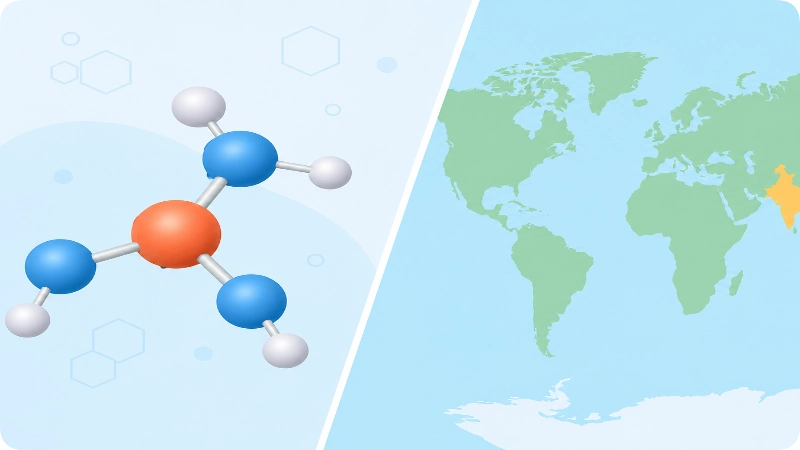
Because “cis” is short and borrowed from Latin, it appears in several unrelated fields. Context almost always makes the meaning clear.
Cis in Chemistry
In organic chemistry, “cis” describes molecules where two similar atoms or groups sit on the same side of a double bond or ring structure. Its opposite, “trans,” describes the same atoms sitting on opposite sides.
For example, chemists distinguish between cis fat and trans fat based on this same atomic arrangement, and food labels sometimes reference “trans fats” for this exact chemical reason.
CIS as an Abbreviation
Written in capital letters, “CIS” commonly stands for:
- Commonwealth of Independent States a political and economic alliance of several former Soviet republics.
- Center for Internet Security a nonprofit organization that publishes cybersecurity best practice guidelines.
- Clinical Information System or Computer Information Systems terms used in healthcare and academic technology programs.
If you see “CIS” in all capital letters in a news article, technical document, or college course catalog, it’s referring to one of these organizational or academic meanings rather than gender identity.
Common Misunderstandings About the Word “Cis”

A few mix ups come up often enough to address directly.
- Mistake: Thinking “cis” is a new or made up word. Reality: The Latin root is centuries old; only its gender related use is relatively recent.
- Mistake: Assuming “cis” describes sexual orientation. Reality: It describes gender identity only.
- Mistake: Treating “cisgender” as a medical diagnosis. Reality: It’s simply a descriptive term, not a clinical label.
- Mistake: Capitalizing “cis” the same way as the abbreviation “CIS.” Reality: When referring to cisgender, it’s typically written in lowercase.
How “Cis” Is Used in Everyday Conversation and Online
You’ll most often encounter “cis” in a few practical settings:
- Social media bios: “cis, she/her” appears alongside pronouns to clarify gender identity.
- Workplace and HR forms: Diversity and inclusion surveys may include “cisgender” as an identity option.
- News and academic writing: Articles about gender studies or healthcare access often use “cis” as shorthand instead of repeating “cisgender” multiple times.
- Everyday conversation: Friends might use it casually, such as, “He’s cis, but he’s really into learning about trans issues.”
In all these cases, the word functions as a simple descriptor, not a value judgment.
Quick Reference Table
| Term | Field | Meaning |
| Cis / Cisgender | Gender identity | Identity matches sex assigned at birth |
| Cis (isomer) | Chemistry | Atoms arranged on the same side of a structure |
| CIS | Geopolitics | Commonwealth of Independent States |
| CIS | Cybersecurity | Center for Internet Security |
| CIS | Academia/Healthcare | Computer or Clinical Information Systems |
FAQ
Is “cis” a formal or official term?
Yes. Major dictionaries, medical associations, and style guides recognize “cisgender” as a standard descriptive term for gender identity.
Can “cis” ever be considered offensive?
Generally no, since it’s a neutral descriptor. Like most words, tone and intent shape how it lands, but the term itself doesn’t carry a negative meaning.
Do I need to identify as cis if I’ve never thought about my gender identity?
If your gender identity matches your sex assigned at birth, “cisgender” accurately describes you, if or not you’ve used the term for yourself before.
Is “cis” the opposite of “trans”?
Yes, in both the gender context and the chemistry context, “cis” and “trans” describe opposite arrangements or experiences.
How do I know which meaning of “cis” someone intends?
Context makes it clear almost every time. Gender discussions, social media, and HR forms point to cisgender, while news about international politics or cybersecurity point to the abbreviation CIS, and science classes point to the chemistry definition.
Is it rude to ask someone if they’re cis or trans?
It can feel intrusive depending on the setting and relationship. In casual or professional settings, it’s generally more respectful to let people share their own gender identity rather than asking directly.
Final Takeaway
“Cis” most commonly means cisgender, describing someone whose gender identity matches the sex they were assigned at birth.
The same short word also shows up in chemistry to describe molecular structure and as an abbreviation for organizations like the Commonwealth of Independent States or the Center for Internet Security.
Paying attention to context tells you instantly which meaning applies.