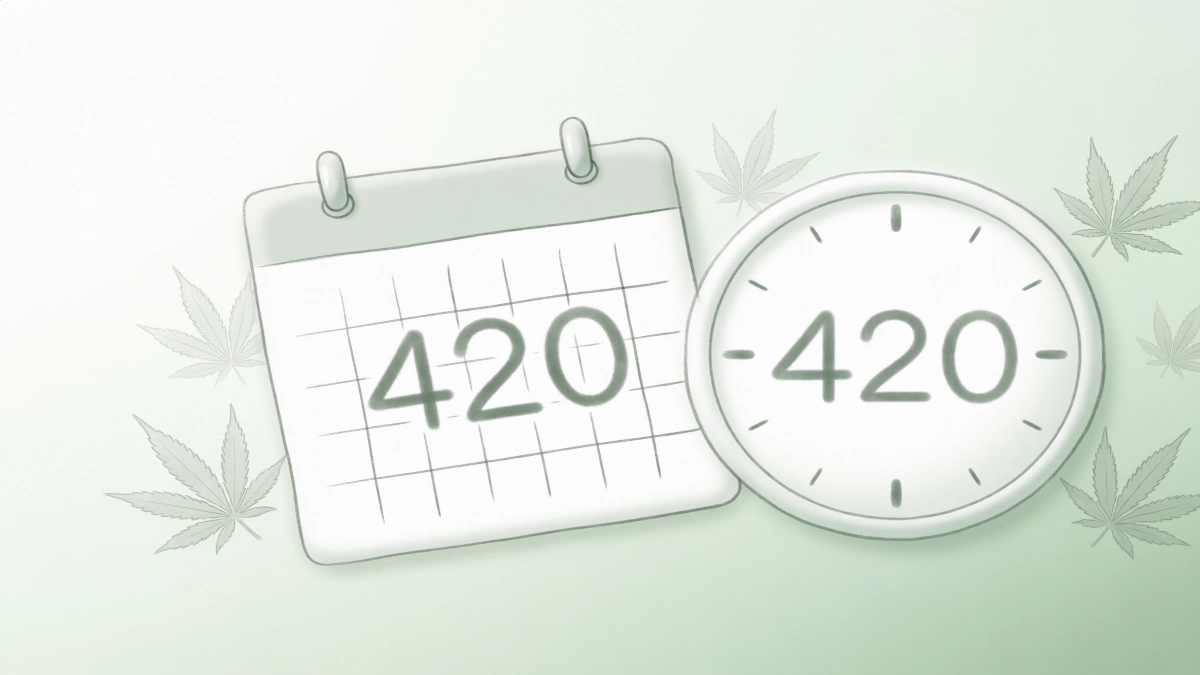
“420” refers to a slang term for consuming cannabis, most often used to mark 4:20 p.m. (or April 20) as a moment or day associated with marijuana culture. The number carries no official or legal meaning on its own it’s a cultural code that grew out of a specific group of teenagers in the 1970s and spread worldwide through music, media, and the internet.
This article breaks down where the term actually came from, how people use it today, why it means different things depending on context, and how to avoid the common mix ups that trip people up.
What 420 Means Today
At its core, 420 works as a shorthand. People use it in three main ways:
- As a time 4:20 p.m. is treated as an informal, unofficial moment to smoke or acknowledge cannabis use.
- As a date April 20 (4/20) has become an annual, semi organized day of cannabis related gatherings, protests, and celebrations in many countries.
- As a general label the word “420” can describe a person, event, or product connected to marijuana culture, such as “420 friendly” listings on rental or dating sites.
None of these meanings are tied to a law, a police code, or an official government designation. That’s one of the most persistent misconceptions about the term, and it’s worth clearing up early.
Where the Term 420 Came From
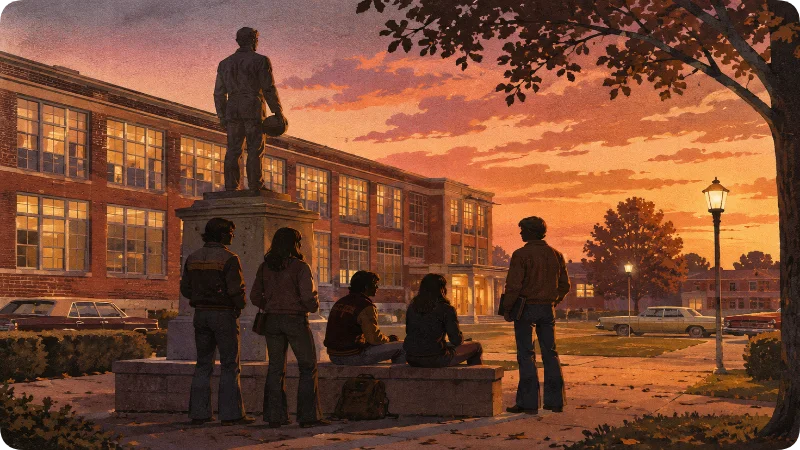
The most widely accepted origin story traces back to 1971, at San Rafael High School in California. A group of students nicknamed “the Waldos” agreed to meet at 4:20 p.m. by a campus statue to search for an abandoned cannabis crop they’d heard about from a map.
They never found the crop, but “420” stuck as their private code word for meeting up to smoke. The Waldos had loose connections to the Grateful Dead’s scene through band associates, and the phrase gradually spread through Deadhead communities during the 1970s and ’80s.
By the 1990s, the magazine High Times helped push the term into wider public awareness, and it eventually became shorthand recognized well beyond cannabis subcultures. Today, most cannabis historians and journalists point to the Waldos’ story as the best documented origin, though other explanations have circulated over the decades.
Common Myths About Where 420 Came From
A few alternative theories still get repeated online, even though they don’t hold up under scrutiny:
- The police code myth many people believe 420 is a police radio code for marijuana possession. Police departments generally don’t use 420 this way, and no consistent evidence supports this claim.
- The Bob Dylan song myth some point to the song “Rainy Day Women #12 & 35” (12 × 35 = 420) as the origin. This is considered a coincidence rather than a documented source.
- The number of chemical compounds myth a popular claim states that cannabis contains exactly 420 active chemicals. This number doesn’t match established scientific counts of cannabis compounds and appears to be a piece of folklore rather than fact.
How People Use 420 in Everyday Language
Once you know the background, the everyday usage makes a lot more sense. Here’s how it typically shows up in real conversations and writing.
In Casual Conversation
Friends might say “let’s 420” or “it’s 420 somewhere” as a playful invitation to smoke, similar to how “it’s five o’clock somewhere” works for alcohol. Someone might also describe a relaxed, laid back person as having “420 vibes.”
In Social Media and Online Listings
The phrase “420 friendly” appears often on roommate ads, dating profiles, and vacation rental listings to signal that cannabis use is welcome. On social platforms, posts and hashtags tagged #420 tend to spike heavily around April 20 each year, featuring photos, jokes, and event announcements.
In Professional or Formal Writing
In news articles, academic papers, or business contexts, writers typically spell out the meaning directly for example, referring to “the cannabis holiday known as 420” rather than assuming the reader already knows the slang. This keeps the writing clear for audiences unfamiliar with the term.
On April 20 Specifically
Many cities host organized gatherings on April 20, ranging from small park meetups to large public events with vendors, speakers, and music. In places where cannabis is legal, these events sometimes take on a festival atmosphere; in places where it isn’t, they may function more like informal protests calling for legal reform.
420 vs. Similar Cannabis Terms
The slang around cannabis is full of overlapping terms, and 420 sometimes gets confused with a few of them. Here’s a quick comparison.
| Term | What It Actually Means |
| 420 | General slang for cannabis use, the time 4:20 p.m., or April 20 |
| 710 | “Oil” turned upside down and read backward; refers specifically to cannabis concentrates and dabbing culture |
| 4:20 vs 4/20 | 4:20 usually refers to the daily time; 4/20 usually refers to the calendar date and its associated events |
| 420 Games | A real athletic event series for the cannabis community, unrelated to the general slang meaning |
Knowing these distinctions matters if you’re writing or reading about cannabis culture, since mixing them up can create confusion, especially for readers new to the terminology.
Why 420 Still Matters in Cannabis Culture
Beyond the slang itself, 420 has become a marker of shared identity for many cannabis users and advocates. It shows up in advocacy campaigns pushing for legalization, in business branding (dispensary names, product lines, and event titles), and in pop culture references across music, film, and television.
For some communities, April 20 also functions as a day to discuss cannabis policy, medical use, and criminal justice reform, not just recreational use. That layered meaning part inside joke, part cultural touchstone, part activism is part of why the term has stayed relevant for over five decades.
Common Mistakes People Make With the Term
A few missteps come up often enough to be worth flagging directly:
- Assuming it’s an official code. As covered earlier, 420 isn’t a legal or police designation treating it as one in formal writing can spread misinformation.
- Using it in contexts where it could confuse or offend. In workplace or professional settings, casual references to 420 may come across as inappropriate depending on the audience and company policy.
- Forgetting regional legal differences. Cannabis laws vary widely by country, state, or province, so referencing “420 friendly” spaces without checking local law can create legal misunderstandings for readers.
Quick Summary
420 started as a private code among a small group of California high schoolers in 1971 and grew into an internationally recognized symbol for cannabis culture. It refers to the time 4:20 p.m., the date April 20, or cannabis use in general, depending on context. While myths about police codes or chemical counts still circulate, the best documented origin traces back to the Waldos and their search for an abandoned crop.
FAQs
Is 420 an actual police code for marijuana?
No. This is one of the most common myths about the term. No consistent evidence shows that police departments use 420 as an official code for cannabis related activity.
Why is April 20 specifically chosen instead of another date?
April 20 (4/20) mirrors the time 4:20 that the Waldos originally used, turning a daily habit into an annual date that’s easy to remember and mark on a calendar.
Is 420 used the same way in every country?
Not exactly. While the term has spread globally, its cultural weight and the scale of April 20 events depend heavily on local cannabis laws and attitudes toward marijuana.
What does “420 friendly” mean on a listing or profile?
It signals that the host, roommate, or event organizer is comfortable with cannabis use in that space, though it doesn’t guarantee legality local laws still apply.
Does 420 have any meaning outside of cannabis culture?
Occasionally, but rarely. In almost all common usage, the number is tied directly to cannabis, either as a time, date, or general cultural reference.
Is it disrespectful or inappropriate to use the term 420?
Generally not, though appropriateness depends on setting. “People commonly use and accept it in casual and cannabis-related contexts, but they usually avoid it in formal or professional communication.”
What’s the difference between 420 and 710?
420 refers broadly to cannabis culture, time, or date. 710 specifically refers to cannabis concentrates and dabbing, since the numbers spell “OIL” when flipped upside down.
The Bottom Line
420 began as a small, private joke between friends and turned into one of the most recognized cultural symbols connected to cannabis.
Understanding its real origin rather than the myths that still circulate makes it easier to use the term accurately, if you’re writing about it, seeing it online, or just curious about where it came from.