In texting and casual online conversations, WLC usually means “welcome” and can be used as a shortened way to say “you’re welcome” after someone says “thanks.” It can also work as a quick greeting when welcoming someone into a chat, group, gaming session, or online community.
For example, if someone writes, “Thanks for helping me,” a reply such as “WLC” may mean “you’re welcome.” If someone new joins a group chat, “WLC!” can simply mean “Welcome!”
Because WLC is informal shorthand rather than a universally standardized abbreviation, context matters. In professional or unfamiliar conversations, writing “you’re welcome” or “welcome” in full is clearer.
Table of Contents
What Does WLC Mean?
Where Did WLC Come From?
WLC Meaning in Different Texting Contexts
WLC Examples in Text Messages and Chats
WLC vs. YW, NP, WC, and WB
How Do You Reply to WLC?
When to Use WLC and When to Avoid It
What Else Can WLC Stand For?
Is WLC Rude or Impolite?
Common Mistakes When Interpreting WLC
Quick Summary
FAQs About WLC Meaning in Text
Conclusion
What Does WLC Mean?
In everyday texting and social media, WLC stands for “welcome.” It’s typically a shortened reply to “thanks” or “thank you,” working the same way “np” (no problem) or “yw” (you’re welcome) does.
It also gets used as a mini greeting on its own for example, welcoming someone new into a group chat, a livestream, or a gaming lobby. The exact meaning almost always depends on what came right before it in the conversation.
| Situation | What WLC Means |
| Reply right after someone says “thanks” | You’re welcome |
| Said to someone joining a group or chat | Welcome (as a greeting) |
| Posted under a comment thanking a creator | You’re welcome |
| Used at the start of a stream or post | Welcome, everyone |
Where Did WLC Come From?
There is no widely documented single person, website, or platform credited with inventing WLC as a texting abbreviation. Like many forms of internet shorthand, it appears to follow a simple abbreviation pattern: shortening a familiar word to a few recognizable letters.
In this case, WLC can represent the consonant sounds in “welcome.” Similar shortening patterns appear throughout texting culture, where users reduce longer words and phrases to make messages faster to type.
The abbreviation is mainly useful because the surrounding conversation usually makes its meaning easy to understand. After “Thanks,” WLC can be read as “you’re welcome,” while at the beginning of a group conversation it can simply mean “welcome.”
Because slang and texting abbreviations change over time, it is better to describe WLC as informal chat shorthand rather than claim that it has one precisely documented origin.
WLC Meaning in Different Texting Contexts
The meaning of WLC depends largely on what is happening in the conversation. Here are the most common ways you may encounter it.
WLC After “Thanks”
When someone sends “thanks,” “thank you,” or “thx,” WLC can be used as a short response meaning “you’re welcome.”
Example:
“Thanks for sending me the notes!”
“WLC!”
In this context, WLC functions similarly to “YW,” “NP,” or the full phrase “you’re welcome.”
WLC When Someone Joins a Group
WLC can also mean “welcome” when someone enters a group chat, gaming community, livestream, or online community.
Example:
“Everyone, Alex just joined the server.”
“WLC Alex!”
Here, the abbreviation is a greeting rather than a response to someone saying thank you.
WLC in Gaming or Online Communities
Fast-moving chats often encourage short messages, so abbreviations such as WLC may appear when players greet newcomers or respond quickly during a conversation.
The exact usage can vary between communities, so it is always useful to look at the surrounding messages.
WLC on Social Media
On social platforms, WLC may appear in comments or direct messages when someone wants to respond quickly without typing the complete phrase.
For example:
“Thanks for the recommendation!”
“WLC 😊”
Because social media language is highly informal, short abbreviations are common, although not every reader will recognize them immediately.
WLC in Professional Messages
WLC is generally not the best choice for formal communication. In a workplace email, school message, or business conversation, “you’re welcome” is clearer and more professional.
Instead of:
“WLC.”
write:
“You’re welcome. Happy to help.”
How to Tell Which Meaning Applies
Look at the message immediately before WLC.
- Someone said “thanks” → WLC likely means “you’re welcome.”
- Someone just joined → WLC likely means “welcome.”
- A technical document uses WLC → it may be an unrelated industry acronym.
- The context is unclear → ask what the sender means rather than assuming..
WLC Examples in Text Messages and Chats

The easiest way to understand WLC is to see how the abbreviation works in different conversations.
Example 1: Replying to “Thanks”
Person A: Thanks for helping me with my homework!
Person B: WLC!
Here, WLC means “you’re welcome.”
Example 2: Welcoming Someone
Person A: Hey everyone, I just added Sam to the group.
Person B: WLC, Sam!
Here, WLC means “welcome.”
Example 3: Social Media
Person A: Thanks for sharing this!
Person B: WLC 😊
The abbreviation is being used as a quick, friendly response.
Example 4: Gaming Chat
Player A: Just joined the server.
Player B: WLC!
In this situation, WLC works as a short greeting.
Example 5: A Formal Conversation
Manager: Thank you for completing the report early.
Employee: You’re welcome. Glad I could help.
A full phrase is better here because it sounds clearer and more professional than “WLC.”
These examples show why context matters more than the abbreviation itself. The same three letters can function as either “welcome” or “you’re welcome.”
WLC vs. YW, NP, WC, and WB
WLC is easy to confuse with other short texting expressions. Although several of them can appear in similar conversations, they do not mean exactly the same thing.
| Abbreviation | Meaning | Typical Use |
| WLC | Welcome / you’re welcome | Welcoming someone or replying to thanks |
| YW | You’re welcome | Direct response to “thanks” |
| NP | No problem | Casual response that downplays a favor |
| WC | Welcome | Short form sometimes used in chats or gaming |
| WB | Welcome back | Greeting someone who has returned |
WLC vs. YW
YW directly represents “you’re welcome,” so it is usually clearer when responding to “thanks.”
Example:
“Thanks for helping!”
“YW!”
WLC can serve the same conversational purpose, but it can also mean simply “welcome.”
WLC vs. NP
NP means “no problem.” It reassures the other person that their request or favor was not an inconvenience.
“Thanks for picking me up.”
“NP!”
WLC focuses on welcoming the other person, while NP focuses on saying that the favor was not a problem.
WLC vs. WC
Both can represent “welcome,” but abbreviations can vary between online communities. WC may be especially familiar in fast-moving chats, while WLC can be used more generally as shorthand.
WLC vs. WB
WB means “welcome back.” It is specifically used when someone returns.
“I’m back!”
“WB!”
Unlike WLC, WB communicates that the person has returned rather than simply welcoming them for the first time.
How Do You Reply to WLC?
If someone sends WLC after you thank them, you usually don’t need to reply at all. The conversation can naturally end there.
If you want to continue the conversation, respond based on the situation:
- “Thanks!” — simple and friendly
- “Appreciate it!” — warm and casual
- “No worries!” — if you’re also responding to a favor
- “😊” — a casual emoji response
- Continue the conversation — if you have something else to say
If WLC is being used to welcome you into a group, you can simply respond with “Thanks!”, “Glad to be here!”, or another friendly greeting.
The best response depends more on the conversation than on the abbreviation itself.
When to Use WLC and When to Avoid It
Good times to use it:
- Replying to a friend’s “thanks” in a text or DM
- Greeting a new member in a casual group chat, Discord server, or gaming session
- Responding to comments on your own social media posts
Times to avoid it:
- Professional emails or workplace messaging, unless your team’s culture is already very casual
- Formal or emotionally serious conversations, where a short slang reply can come across as dismissive
- Messages to people who may not know English texting slang, such as older relatives or non-native speakers unfamiliar with the abbreviation
A simple rule of thumb: if you’d feel comfortable saying “no worries, np” in that same conversation, WLC is probably fine too.
What Else Can WLC Stand For?
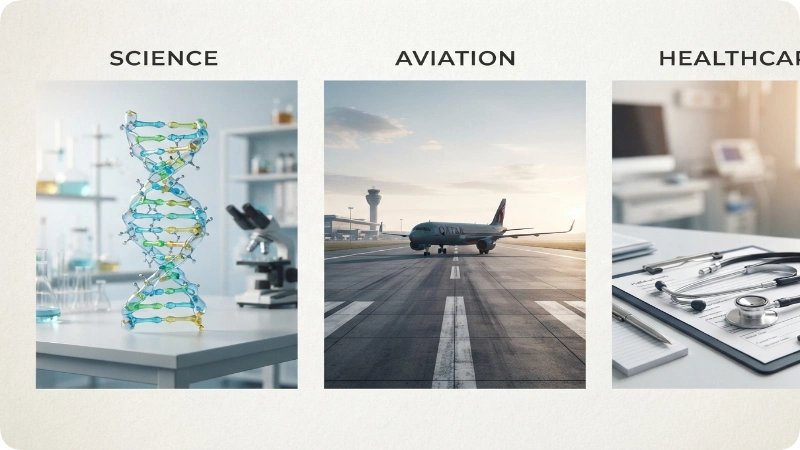
In texting, WLC usually relates to “welcome,” but the same three letters can appear as an acronym in specialized contexts.
The important point is that these meanings are not texting slang. Their interpretation depends entirely on the field and the surrounding information.
For example, an acronym database, technical document, company name, organization, or academic paper may use WLC for a term specific to that field.
If you encounter WLC outside a conversation or social-media message, don’t automatically assume it means “welcome.” Look at the subject of the document and the words around the acronym.
For a normal text such as:
“Thanks for helping! WLC”
The intended meaning is much easier to identify: “you’re welcome.”
For a technical document, however, the safest approach is to check the document’s terminology or glossary because WLC can have field-specific expansions.
Is WLC Rude or Impolite?
WLC is not inherently rude, but its short, informal style can feel different depending on the situation.
Among friends, a quick “WLC” may sound perfectly normal. In a professional email, however, the same abbreviation could appear careless or overly casual.
The relationship between the people also matters. Someone who regularly uses texting abbreviations may see WLC as friendly, while someone unfamiliar with the shorthand may find it confusing.
If you’re unsure, use the complete phrase:
- Casual: “WLC!”
- Neutral: “You’re welcome!”
- Professional: “You’re welcome. Happy to help.”
When clarity matters, spelling out the phrase is usually the better choice.
Common Mistakes When Interpreting WLC
Assuming WLC Always Means “You’re Welcome”
WLC can also mean simply “welcome.” If someone has just joined a group, the abbreviation may be a greeting rather than a response to thanks.
Assuming Everyone Knows the Abbreviation
Texting slang is not universal. A friend who regularly uses online shorthand may understand WLC immediately, while another person may not recognize it.
Using WLC in Formal Communication
Abbreviations that work in casual texts don’t automatically work in professional writing. In an email, “You’re welcome” is clearer and more polished.
Treating WLC as a Fixed, Universal Definition
Online abbreviations can vary between communities. Context should always take priority over a dictionary-style definition.
Confusing WLC With Similar Abbreviations
WLC, YW, NP, WC, and WB can appear in similar conversations, but they have different meanings. Checking the surrounding message usually resolves the confusion.
Quick Summary
WLC is internet and texting shorthand for “welcome,” most commonly used as a fast way to say “you’re welcome” after someone expresses thanks, or as a quick greeting for someone joining a chat, stream, or game. It’s well-suited to casual digital spaces friends, social media, gaming but generally best avoided in professional or formal writing. Outside of texting, the same letters occasionally stand for unrelated technical terms in fields like physics, aviation, or medicine, but context makes the intended meaning obvious.
FAQs About WLC Meaning in Text
What does WLC mean in texting?
WLC usually means “welcome” and can also be used as a short way to say “you’re welcome” after someone says thanks. The exact meaning depends on the conversation.
What does WLC mean after “thanks”?
When WLC appears immediately after someone says “thanks,” it generally means “you’re welcome.”
What does WLC mean in chat?
In chat, WLC can mean either “welcome” or “you’re welcome.” If someone has just joined a group, it likely means “welcome.” If someone has just thanked you, it likely means “you’re welcome.”
Is WLC the same as YW?
They can serve a similar purpose when replying to “thanks,” but YW directly stands for “you’re welcome,” while WLC can also be used as a general greeting.
What does WLC mean on social media?
On social media, WLC is an informal shorthand that may mean “welcome” or “you’re welcome.” Its meaning depends on the surrounding comments or messages.
Is WLC formal or informal?
WLC is informal texting and chat shorthand. It is generally better to write “welcome” or “you’re welcome” in professional, academic, or formal communication.
Is WLC rude?
Not necessarily. WLC can sound friendly and normal in casual conversations, but its short form may seem abrupt or confusing in formal or emotionally important situations.
What should I reply when someone says WLC?
If WLC means “you’re welcome,” you don’t need to respond. If you want to continue the conversation, a simple “Thanks!” or another relevant message works naturally.
Can WLC have other meanings?
Yes. WLC can represent different terms in specialized fields, but those meanings are separate from texting slang. Always use the surrounding context to determine which meaning applies.
Conclusion
WLC is informal texting shorthand for “welcome” and can also mean “you’re welcome” when someone responds to a thank-you. You may see it in texts, DMs, social media comments, gaming chats, and online communities.
The most important thing to remember is that context determines the meaning. After “thanks,” WLC can mean “you’re welcome.” When someone joins a group, it can simply mean “welcome.”
Because WLC is casual slang, write the full phrase in professional or formal communication. When you’re unsure what someone means, look at the messages around the abbreviation rather than assuming a single definition.