
If you’ve seen someone reply to a puppy photo or a sweet story with just “awh,” you’ve probably already guessed the meaning but you want to be sure you’re reading it right. In short, “awh” is an informal spelling of “aww,” used to express affection, sympathy, or being touched by something cute, kind, or emotional. It’s not a word you’ll find in a dictionary with a fixed definition; it’s a sound turned into text, and its meaning shifts slightly depending on tone and context.
This guide breaks down exactly what “awh” means, where it comes from, how people use it in different situations, and how to tell the difference between a genuinely warm “awh” and a sarcastic one, something that trips up a lot of text.
Quick Definition
“Awh” is an informal spelling of “aww,” used in texting and social media to express affection, sympathy, delight, or a warm reaction to something cute or touching.
There’s no single grammatical rule for it. People stretch it, capitalize it, or repeat letters (“awhh,” “awhhh”) to show how strongly they feel.
Where “Awh” Comes From
“Awh” doesn’t have a formal linguistic origin story the way older slang terms do. It’s simply a spelling variation that grew out of how people type sounds the way they naturally say them. The core sound of a soft, drawn-out “aw” has been used in spoken English for a long time to express sympathy or delight, similar to how “oh” expresses surprise.
As texting and social media became the dominant way people communicate casually, spellings multiplied. “Aw,” “aww,” and “awh” all represent the same vocal sound, but each spelling gives off a slightly different feel:
- “Aw” feels short and simple, almost like a quick nod.
- “Aww” feels warmer and more drawn out, the most commonly used spelling.
- “Awh” feels a bit more casual and, to many younger texters, slightly softer or more conversational the added “h” mimics a breathy exhale, like a real sigh of affection.
None of these spellings is “more correct” than the others. They’re stylistic choices, and which one a person uses often comes down to habit, generation, or personal texting style.
How to Pronounce “Awh”
“Awh” is pronounced exactly like “aww” rhyming with “saw” or “law.” The silent “h” at the end doesn’t change the sound; it just adds a visual cue that the reaction is soft or breathy, almost like a sigh. You wouldn’t say the “h” out loud any more than you’d pronounce the “h” in “oh.”
Awh vs. Aww vs. Aw vs. Awe

Awh and aww have essentially the same meaning. The difference is mainly stylistic. “Aww” is more common, while “awh” gives some texters a softer or more conversational feel. “Aw” is usually shorter and can express either affection or sympathy. “Awe,” however, is a completely different word meaning admiration, wonder, or amazement.
| Word | Pronunciation | Meaning | Typical Use |
| Aw | Rhymes with “law” | Mild sympathy or disappointment | “Aw, that’s too bad.” |
| Aww | Rhymes with “law,” slightly longer | Affection, cuteness | “Aww, your dog is adorable.” |
| Awh | Rhymes with “law,” soft/breathy feel | Same as “aww,” casual texting variant | “awh he’s so sweet” |
| Awe | Rhymes with “raw” but means wonder | Amazement, being impressed | “I was in awe of the view.” |
The key distinction to remember: “awh,” “aww,” and “aw” are all reactions of tenderness or mild sympathy, while “awe” is a completely different word about wonder or amazement. They just happen to look alike on a page.
Is “Awh” a Flirty Text?
“Awh” can sometimes sound flirty, but the expression itself is not inherently romantic. Someone might use “awh” when reacting warmly to a compliment, cute message, or thoughtful gesture from someone they like. However, friends and family members use it just as commonly.
The surrounding message matters more than the word itself. “Awh, that’s so sweet of you” can sound affectionate without being romantic, while “awh stop, you’re making me blush” may carry a more flirtatious tone.
The Different Meanings of “Awh” in Context
“Awh” isn’t a one-note word. Depending on what it’s responding to, it can carry several distinct emotional shades:
1. Reacting to something cute This is the most common use for babies, pets, couples, or small kind gestures.
2. Expressing sympathy or comfort When someone shares bad news or a minor disappointment, “awh” softens the reply and shows you care.
3. Showing you’re touched or moved Used after hearing something sentimental, like a compliment or a thoughtful act.
4. Expressing mild disappointment Sometimes “awh” reacts to a small letdown, similar to saying “aw, man.”
5. Sarcastic or teasing tone In certain contexts, “awh” can be used ironically to mock or gently tease someone, especially paired with a smirking or laughing emoji.
Real Examples of “Awh” in Texting and Social Media
Cute/affectionate:
- “awh look at his little face 🥹”
- “she brought me soup when I was sick, awh”
Sympathetic:
- “awh I’m sorry your flight got cancelled”
- “awh that really sucks, let me know if you need anything”
Touched or sentimental:
- “awh this is the sweetest message I’ve gotten all week”
- “awh you remembered my coffee order”
Mild disappointment:
- “awh we’re out of ice cream”
- “awh I really wanted to go too”
Sarcastic/teasing:
- “awh did someone lose their video game 😏”
- “awh poor baby, cry about it lol”
Sincere vs. Sarcastic “Awh”
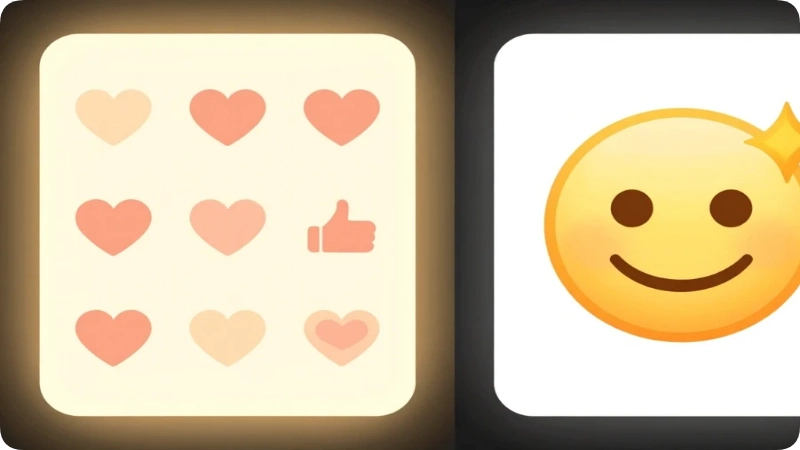
This is where a lot of misreadings happen, especially in text where the tone of voice is missing. A few signals can help you tell which one you’re dealing with:
- Punctuation and length: A sincere “awh” is often short and paired with a heart emoji or exclamation point. A sarcastic one is often drawn out (“awhhh”) or followed by a laughing or smirking emoji.
- Context of the conversation: If the message right before it was genuinely sad or sweet, it’s almost always sincere. If it follows someone complaining about something minor or bragging, it might be teasing.
- Relationship and history: Close friends who regularly joke around are more likely to use “awh” sarcastically than someone replying to a stranger’s post.
When in doubt, the safest read is the literal one sincere unless the surrounding words clearly signal teasing.
When to Use “Awh” (and When to Avoid It)
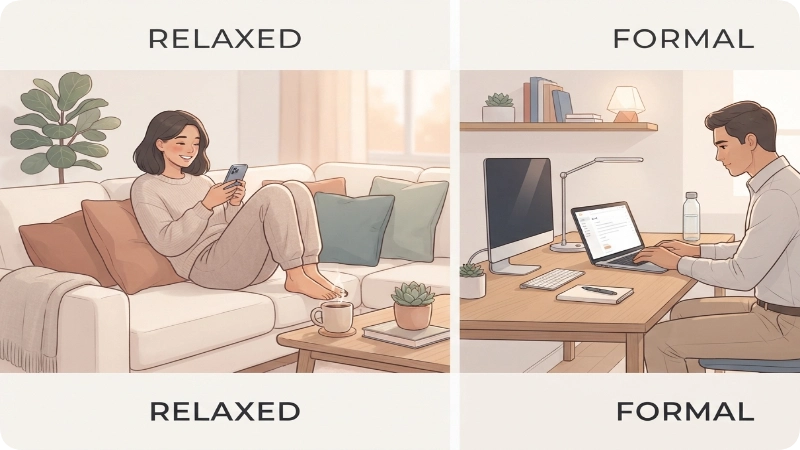
Good times to use it:
- Texting friends or family casually
- Commenting on social media posts
- Reacting to cute animals, kids, or couples
- Comforting someone about something small
Times to avoid it:
- Formal or professional writing, like emails or reports
- Messages to someone you don’t know well, where tone could be misread
- Serious situations that need more than a soft, casual reaction (a real loss usually calls for a fuller response, not just “awh”)
Common Mistakes People Make With “Awh”
- Confusing it with “awe.” They look alike but mean opposite things one is tenderness, the other is amazement.
- Using it in formal writing. “Awh” is strictly casual and doesn’t belong in resumes, cover letters, or professional messages.
- Misreading sarcasm as sincerity (or vice versa). Always check the context of the conversation before assuming the tone.
- Overusing it until it loses meaning. Like any interjection, repeating it constantly can make it feel less genuine.
Quick Reference Table
| Situation | Example Reply |
| Cute photo | “awh so precious 🥹” |
| Friend shares bad news | “awh I’m so sorry” |
| Someone does something thoughtful | “awh that’s so kind of you” |
| Small letdown | “awh that’s a bummer” |
| Teasing a friend | “awhhh did you lose 😂” |
FAQs
Is “awh” a real word?
It’s not a formal dictionary word, but it’s a widely understood informal spelling of “aww,” used the same way across texting and social media.
Is “awh” the same as “aww”?
Yes, they mean the same thing. The spelling difference is mostly stylistic “awh” just has a softer, more breathy feel to some texts.
Can “awh” be sarcastic?
Yes. Depending on the context and what emoji or punctuation follows it, “awh” can be used to gently tease or mock someone rather than express genuine warmth.
Is it “awh” or “aw”?
Both are used, and neither is technically more correct. “Aw” is shorter and more clipped, while “awh” and “aww” feel warmer and more drawn out.
Should I use “awh” in professional messages?
No. It’s a casual, conversational expression best kept to texting, social media, or informal chats with friends and family.
Why do people add extra letters, like “awhhh”?
Stretching the word out mimics how the sound would be drawn out if spoken aloud, and it usually signals a stronger emotional reaction.
Does “awh” mean the same thing as “awe”?
No. “Awh” expresses tenderness or sympathy, while “awe” expresses amazement or wonder. They sound completely different when spoken.
Key Takeaway
“Awh” is simply a casual way of writing the sound “aww” , a soft reaction to something cute, sweet, sad, or touching. It’s flexible enough to express real affection or, depending on tone, a bit of playful sarcasm. The main things to remember are that it’s strictly informal, easy to confuse with the word “awe,” and best understood by paying attention to the context around it rather than the word alone.
“Awh” is a casual texting variation of “aww” that usually expresses affection, sympathy, or delight. It can be sincere or playful depending on the context, but it is always informal. Remember that “awh” and “awe” have completely different meanings, and you’ll be able to interpret the expression correctly in most conversations.