Plan B is an emergency contraceptive pill that helps reduce the chance of pregnancy after unprotected sex or birth control failure. It works mainly by delaying or preventing ovulation, giving sperm no egg to fertilize.
It does not end an existing pregnancy or work as an abortion pill. This guide explains how Plan B works, when to take it, how effective it is, possible side effects, and what to expect afterward.
Table of Contents
- What Is Plan B, Exactly?
- How Does Plan B Work in the Body?
- How Effective Is Plan B?
- Does Plan B Cause an Abortion?
- What Happens After You Take Plan B?
- Plan B Side Effects
- When Plan B Won’t Work Well
- Plan B vs. Other Emergency Contraception Options
- Common Mistakes People Make With Plan B
- Quick Summary
What Is Plan B, Exactly?
Plan B, also called the morning after pill, is a backup form of birth control. People take it after unprotected sex, a broken condom, or a missed regular birth control dose.
The active ingredient is levonorgestrel, a lab made version of the hormone progesterone. Each Plan B pill contains a concentrated 1.5 mg dose, which is far higher than what’s in a typical daily birth control pill. That concentrated dose is what gives it the strength to work as an emergency measure rather than routine protection.
Plan B is sold over the counter in the United States, without an age or prescription requirement. It comes as a single tablet, unlike older two dose versions of emergency contraception sold years ago.
How Does Plan B Work in the Body?
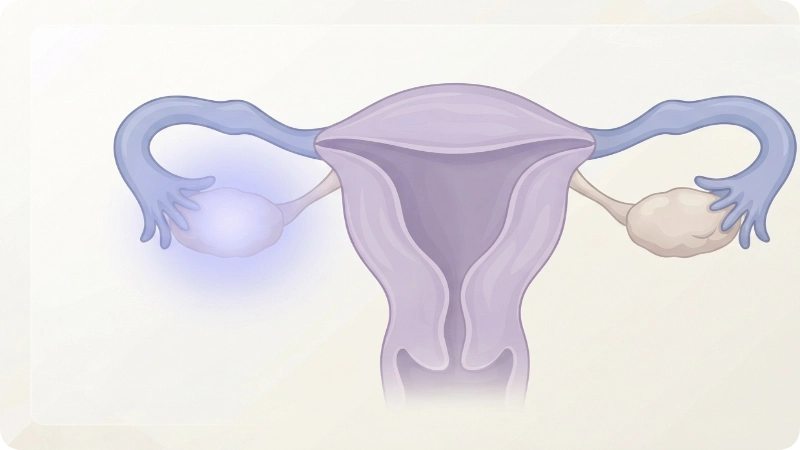
Every menstrual cycle, your body builds up to releasing one egg from an ovary. This release, called ovulation, is triggered by a hormone spike known as the LH surge.
Plan B’s main job is to interrupt that signal. Here’s the breakdown:
- It delays or blocks the LH surge. Without that surge, the ovary doesn’t release an egg on schedule, or at all that cycle.
- It thickens cervical mucus. This makes it harder for sperm to swim through the cervix and reach an egg, adding a secondary layer of protection.
- It does not remove or dislodge a fertilized egg. Medical researchers who reviewed the evidence found no proof that levonorgestrel interferes with an egg that has already implanted in the uterus. The FDA updated Plan B’s label in 2022 to remove earlier language suggesting it might affect implantation, since the science didn’t support it.
In short, Plan B tries to stop pregnancy before it starts by keeping sperm and egg apart.If sperm has already fertilized an egg, Plan B can no longer prevent pregnancy.
How Effective Is Plan B?
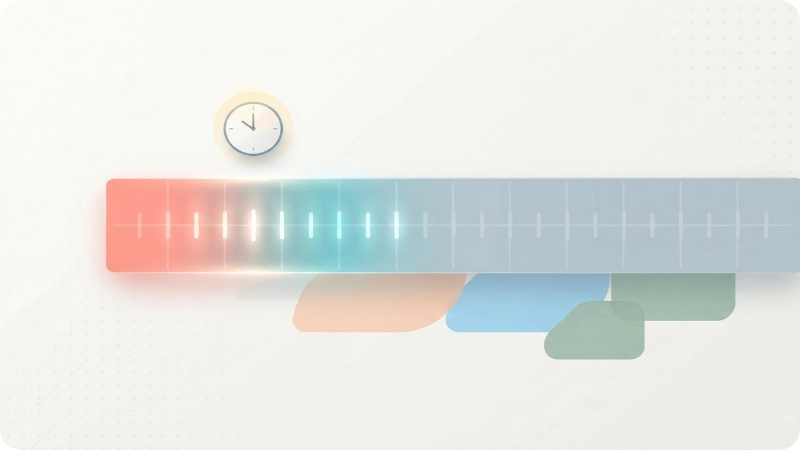
Timing decides almost everything about how well Plan B works. The pill is approved for use within 72 hours (three days) of unprotected sex, and some guidance allows use up to 120 hours (five days), though protection weakens the longer you wait.
Here’s a simple way to picture it:
| Time Since Unprotected Sex | General Effectiveness |
| Within 24 hours | Highest protection, often cited around 85–90% |
| 24–72 hours | Still effective, but declining |
| 72–120 hours | Meaningfully weaker; other options may work better |
| After ovulation has occurred | Little to no protective effect |
Two factors matter more than most people realize:
Where you are in your cycle. It works by stopping the LH surge. If you take it before that surge happens, it can work very well. If you take it after ovulation has already occurred, its main mechanism has already been bypassed, and it’s unlikely to help much at all.
Body weight. Some research suggests levonorgestrel based emergency contraception may be less reliable for people above roughly 165 pounds (about 75 kg). If this applies to you, a healthcare provider can discuss if a copper IUD or a different emergency contraceptive, such as ulipristal acetate (Ella), might be a better fit.
No emergency contraception, including Plan B, offers a guarantee. It lowers risk; it doesn’t eliminate it.
When Should You Take Plan B?
The sooner you take Plan B after unprotected sex, the better it works. Although it can be taken within 72 hours (three days) and may still offer some protection for up to 120 hours (five days), its effectiveness decreases with time.
For the best chance of preventing pregnancy:
- Take it as soon as possible after unprotected sex.
- Don’t wait to see whether your period is late.
- You don’t need to wait until the next morning despite the nickname “morning-after pill.”
If more than five days have passed, it is unlikely to work. In that situation, speak with a healthcare provider about other emergency contraception options.
What If You Have Unprotected Sex Again After Taking Plan B?
Plan B only helps prevent pregnancy from the act of unprotected sex that happened before you took the pill. It does not continue protecting you for the rest of your menstrual cycle.
If you have unprotected sex again after taking Plan B, you could still become pregnant. Depending on the timing, you may need emergency contraception again.
To reduce future risk, start or restart a regular birth control method as advised by your healthcare provider, and use condoms until that method becomes effective.
Does Plan B Cause an Abortion?
No. This is one of the most persistent myths about Plan B, so it’s worth stating plainly.
It prevents an egg from being released or fertilized in the first place. If a person is already pregnant when they take it, it has no effect on that pregnancy. It won’t end it, harm it, or change its outcome in any known way.
This makes Plan B fundamentally different from abortion medications like mifepristone, which work by cutting off the hormone supply an established pregnancy needs to continue. It never interacts with an implanted pregnancy at all.
If you get a positive pregnancy test after taking Plan B, fertilization and implantation most likely occurred before or shortly after you took the pill. It could neither prevent nor cause the pregnancy.
What Happens After You Take Plan B?
Most people notice mild, short term changes as their body responds to the hormone dose:
- Your next period may arrive earlier or later than expected, sometimes by up to a week.
- Bleeding may feel lighter, heavier, or slightly different in pattern for one cycle.
- Mild cramping is common in the days after taking it.
If your period is more than a week late, take a pregnancy test to rule out pregnancy, since delayed periods can happen even when Plan B works as intended.
When Should You Take a Pregnancy Test After Taking Plan B?
Most people do not need a pregnancy test immediately after taking Plan B. Instead, wait until your next expected period.
Consider taking a pregnancy test if:
- Your period is more than one week late.
- Your bleeding is much lighter than usual and you’re concerned.
- You continue having pregnancy symptoms.
- You vomited soon after taking Plan B and were unsure whether the medication was absorbed.
Home pregnancy tests are generally most accurate after a missed period.
Plan B Side Effects
Most people tolerate it well, and side effects usually disappear within one or two days.
Common side effects include:
- nausea
- vomiting
- headache
- dizziness
- tiredness
- breast tenderness
- mild abdominal pain or cramping
- temporary spotting
- changes to the timing or flow of your next period
These symptoms happen because your body is adjusting to a temporary increase in hormone levels.
Seek medical care if you experience:
- severe abdominal pain several weeks later
- extremely heavy bleeding
- fainting
- symptoms that continue or worsen instead of improving
If you vomit within two hours of taking Plan B, ask a healthcare provider whether you should take another dose.
Can Plan B Delay or Change Your Period?
Yes. it can temporarily change your menstrual cycle because it contains a high dose of levonorgestrel.
Your next period may:
- arrive a few days early
- arrive up to a week late
- be heavier than usual
- be lighter than usual
- include temporary spotting
These changes usually affect only one cycle. If your period is more than a week late, take a pregnancy test and contact a healthcare provider if you have concerns.
When Plan B Won’t Work Well
It isn’t the right tool in every situation. It’s less reliable, or not appropriate, when:
- Ovulation has already happened. Since Plan B’s core mechanism is delaying the release of an egg, it can’t undo an egg that’s already been released.
- More than five days have passed since unprotected sex.
- You weigh more than roughly 165 pounds, where effectiveness may drop.
- You’re already pregnant. It won’t detect, confirm, or affect an existing pregnancy.
- You need ongoing protection. It is a one time backup, not a substitute for regular birth control, and it offers no protection against sexually transmitted infections.
If any of these apply, a copper IUD (inserted by a provider) or a prescription pill like Ella tends to offer steadier protection later in the fertility window.
Plan B also cannot protect against pregnancy from sex that happens after you take the pill. If you continue having unprotected sex during the same menstrual cycle, you remain at risk of pregnancy. Using condoms or starting an ongoing birth control method can provide better protection for the rest of your cycle.
What Plan B Does Not Do
Plan B is often misunderstood. Here’s what it does not do:
- It does not cause an abortion.
- It does not end an existing pregnancy.
- It does not protect against sexually transmitted infections (STIs).
- It does not work as regular birth control.
- It does not protect you after future acts of unprotected sex.
- It does not guarantee pregnancy prevention.
Knowing these limits helps set realistic expectations and prevents common misconceptions.
Plan B vs. Other Emergency Contraception Options
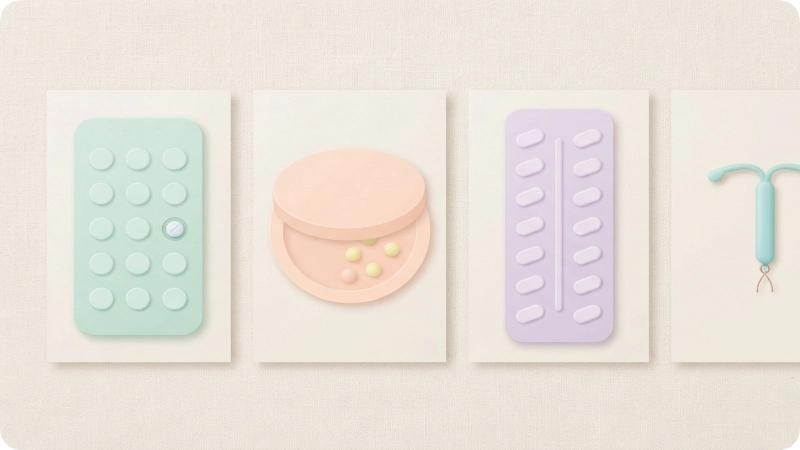
| Option | Active Ingredient | Best Used Within | Notes |
| Plan B (levonorgestrel) | Levonorgestrel | 72 hours (up to 120) | Over the counter, no age limit, weight may reduce effectiveness |
| Ella (ulipristal acetate) | Ulipristal acetate | 120 hours | Prescription needed in the U.S.; works closer to ovulation than Plan B |
| Copper IUD | None (hormone free) | 120 hours | Most effective option overall; also provides years of ongoing birth control |
If you’re unsure how close you are to ovulation, or you’re near the edge of the effective window, a quick conversation with a pharmacist or clinic can help you pick the option most likely to work for your situation.
Common Mistakes People Make With Plan B
- Waiting too long to take it. Every extra day reduces how well it works, so speed matters more than almost anything else.
- Assuming it protects against STIs. It doesn’t. Barrier methods like condoms are still needed for that.
- Using it as a regular birth control method. It’s meant for occasional emergency use, not routine protection, since the hormone dose is much higher than a typical daily pill.
- Thinking late always means it failed. A delayed or altered period is a normal, expected response to the hormone dose.
- Not following up with a pregnancy test. If your period is significantly late, testing gives you a clear answer rather than guessing.
Quick Summary
Plan B works by delaying or stopping ovulation, so there’s no egg available to fertilize, and it also thickens cervical mucus as a backup layer of protection. It does not end an existing pregnancy and is not an abortion pill. Taking Plan B as soon as possible after unprotected sex gives it the best chance to work, ideally within 24 hours and no later than 72–120 hours. Taking it near or after ovulation and having a higher body weight may reduce its effectiveness.
Key Takeaways
- Plan B works mainly by delaying ovulation.
- It works best within 24 hours.
- It becomes less effective over time.
- It does not cause abortion.
- It does not protect against STIs.
- It should only be used for emergencies.
FAQs
Does Plan B stop a pregnancy that’s already happened?
No. Plan B only works before fertilization occurs. It has no effect once an egg has been fertilized and implanted.
How long does Plan B stay in your system?
Levonorgestrel is typically cleared from the body within a day or two, though its effect on delaying ovulation can last longer within that cycle.
Can you take Plan B more than once in a cycle?
Yes, it’s safe to take again if needed, but it’s not designed for repeated or routine use, and regular birth control is a more reliable long term option.
Will Plan B work if I’ve already ovulated?
It’s unlikely to help much. Since Plan B’s main effect is delaying ovulation, taking it after the egg has already been released bypasses its main mechanism.
Does Plan B affect future fertility?
No. There’s no evidence that occasional use affects long term fertility or future pregnancies.
Can I take Plan B while breastfeeding?
Levonorgestrel is generally considered compatible with breastfeeding, but check with a healthcare provider for guidance specific to your situation.
Is Plan B the same as the pill used for medical abortion?
No. They contain different active ingredients and work through completely different mechanisms, as explained earlier in this article.
Can Plan B fail even if you take it on time?
Yes. Plan B lowers the chance of pregnancy but does not eliminate it completely. It works best when taken before ovulation and as soon as possible after unprotected sex.
Do I need a prescription for Plan B?
No. In the United States, Plan B is available over the counter without a prescription or age requirement.
Can I drink alcohol after taking Plan B?
Alcohol does not appear to reduce how well Plan B works. However, drinking heavily may increase nausea or vomiting, which could affect the medication if you vomit within two hours of taking it.
Can I start birth control after taking Plan B?
Yes. Most regular birth control methods can be started soon after taking Plan B. Follow your healthcare provider’s advice and use backup protection, such as condoms, until your birth control becomes effective.
What should I do if I vomit after taking Plan B?
If you vomit within two hours of taking Plan B, the medication may not have been fully absorbed. Contact a healthcare provider or pharmacist to ask whether you should take another dose.
Can Plan B affect your next menstrual cycle?
Yes. Your next period may come earlier or later than expected and may be lighter or heavier than usual. These changes are usually temporary and resolve after one cycle.
Conclusion
Plan B works by delaying or preventing ovulation, which reduces the chance that sperm can fertilize an egg. It is most effective when taken as soon as possible after unprotected sex, ideally within 24 hours, though it can still provide some protection for up to five days. Plan B does not end an existing pregnancy, does not work as an abortion pill, and does not protect against sexually transmitted infections.
If you need emergency contraception, taking Plan B promptly gives it the best chance to work. If your period is more than a week late, or you have concerns after taking it, take a pregnancy test and contact a healthcare provider for guidance. Understanding how Plan B works can help you make informed decisions and use emergency contraception safely and effectively when needed.