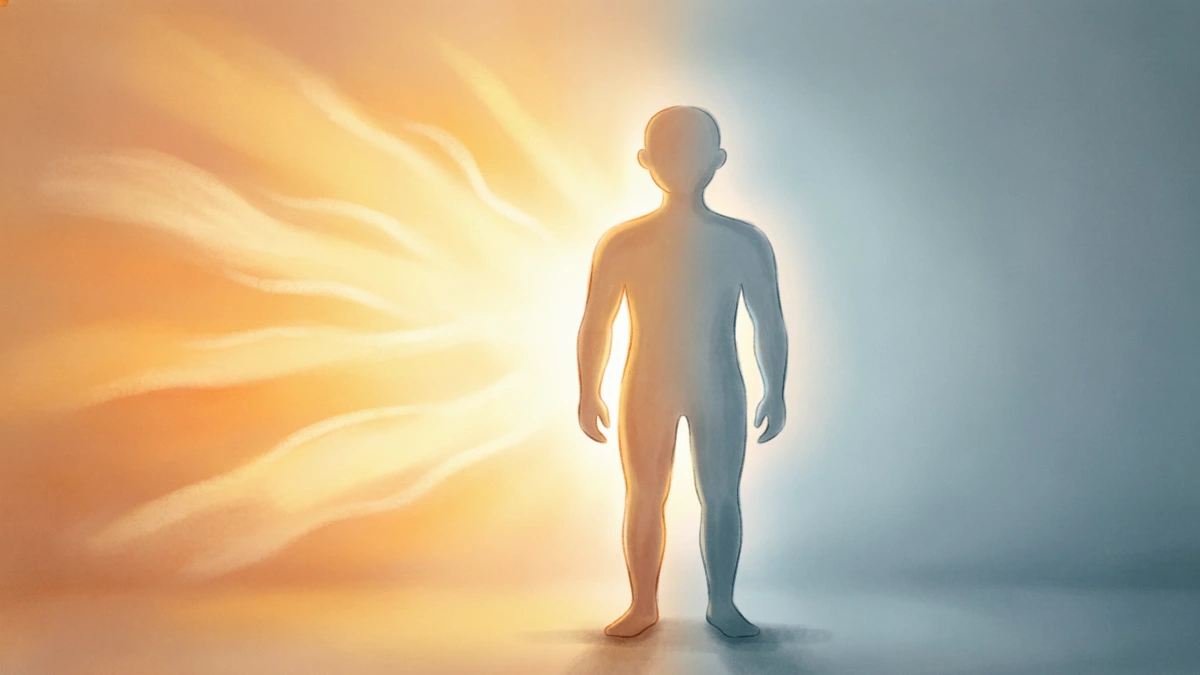
Bipolar refers to a mental health condition marked by shifts between emotional highs, called mania or hypomania, and emotional lows, called depression. The word also shows up casually in everyday speech, where people use it loosely to describe mood swings that have nothing to do with the actual diagnosis.
This guide breaks down both meanings, explains where the term comes from, and shows how to use it accurately and respectfully.
Table of Contents
- Meaning and Definition
- Where the Word Comes From
- How to Pronounce It
- Bipolar as a Clinical Diagnosis
- Casual vs. Clinical Usage
- Real Life Examples
- Common Misunderstandings
- Related Terms and How They Differ
- Signs Someone Might Be Experiencing a Mood Episode
- When to Use the Word and When to Avoid It
- Expert Tips for Talking About Bipolar Disorder
- Quick Summary Table
- FAQ
- Conclusion
Meaning and Definition
At its core, “bipolar” means having two opposite poles. In a medical context, it describes a mood disorder in which a person experiences two extreme emotional states: mania or hypomania (elevated, energized, or irritable mood) and depression (low mood, fatigue, loss of interest).
The formal name for the condition is bipolar disorder, and it’s classified as a mood disorder in psychiatric diagnostic manuals. It is not the same as simply having a bad day or feeling moody. A diagnosis requires specific patterns of symptoms that last for defined periods and noticeably affect a person’s functioning.
Outside of medicine, people sometimes use “bipolar” as an adjective to describe anything that flips between two extremes weather, a stock market, or even a mood swing during an argument. This casual use is common, but it can blur the line between an informal comparison and an actual health condition.
Is Bipolar a Mental Illness?
Yes. Bipolar disorder is recognized as a mental health condition that primarily affects mood, energy levels, and daily functioning. It is classified as a mood disorder rather than a personality disorder because its main feature is recurring mood episodes instead of long term personality traits.
Although doctors consider bipolar disorder a lifelong condition, many people successfully manage it through treatment, healthy routines, and ongoing medical care.With the right support, individuals with bipolar disorder can work, study, maintain relationships, and live fulfilling lives.
| Quick Fact | Information |
| Medical name | Bipolar disorder |
| Condition type | Mood disorder |
| Main symptoms | Mania, hypomania, depression |
| Diagnosis | Mental health professional |
| Treatment | Medication + therapy + lifestyle |
| Cure | No cure, but manageable |
Where the Word Comes From
The term combines two Latin rooted parts: “bi,” meaning two, and “polar,” relating to poles or opposite ends. Put together, bipolar literally translates to “having two poles.”
The condition itself was historically known by other names. Earlier medical literature used terms like “frenzied depression” or “wild depressive illness” to describe the same pattern of mood extremes. Over time, the field shifted toward “bipolar disorder” as the preferred clinical term, partly to reduce stigma attached to the older phrasing and partly to better reflect the range of presentations within the condition.
How to Pronounce It
Bipolar is pronounced by POH lar, with the stress on the second syllable. Breaking it down phonetically: “bi” rhymes with “sky,” and “polar” sounds the same as the word used to describe the North and South Poles.
Bipolar as a Clinical Diagnosis
When a mental health professional uses the word bipolar, they are typically referring to one of a few recognized types:
- Bipolar I disorder involves at least one wild episode, which may be severe enough to require hospitalization, often accompanied by depressive episodes.
- Bipolar II disorder involves frenzied episodes (a less intense version of mania) alternating with depressive episodes, which are often the more disruptive part of this type.
- Cyclothymic disorder involves numerous periods of frenzied and depressive symptoms that are less severe than full episodes but persist over a longer stretch of time, typically two years or more in adults.
A mania episode can include a noticeably elevated or irritable mood, racing thoughts, decreased need for sleep, rapid speech, increased activity, and sometimes risky decision making. A depressive episode can include persistent sadness, low energy, changes in sleep or appetite, difficulty concentrating, and loss of interest in things a person normally enjoys.
A qualified professional, such as a psychiatrist or psychologist, makes the diagnosis based on a detailed history of symptoms, their duration, and how much they interfere with daily life. It is not something a person can accurately self diagnose from a checklist alone.
How Is Bipolar Disorder Diagnosed?
There is no single blood test or brain scan that confirms bipolar disorder. Instead, mental health professionals diagnose it by evaluating a person’s symptoms, medical history, family history, and the pattern of mood changes over time.
A psychiatrist or psychologist may ask questions about sleep habits, energy levels, periods of unusually elevated mood, depressive episodes, medications, and any previous mental health conditions. Doctors sometimes also ask family members to describe the changes they have noticed.
Because bipolar disorder shares symptoms with several other mental health conditions, an accurate diagnosis often requires careful observation rather than a quick assessment. Early diagnosis can help people begin appropriate treatment sooner and reduce the impact of future mood episodes.
What Causes Bipolar Disorder?
Researchers believe bipolar disorder develops through a combination of genetic, biological, and environmental factors rather than a single cause.
People who have a close family member with bipolar disorder are more likely to develop the condition, suggesting genetics play an important role. Differences in brain chemistry and how certain brain regions regulate mood may also contribute.
Stressful life events, major life changes, sleep disruption, or substance misuse can sometimes trigger mood episodes in people who are already vulnerable, but these factors do not directly cause bipolar disorder on their own.
Understanding these contributing factors helps explain why treatment often includes both medication and lifestyle management.
Casual vs. Clinical Usage
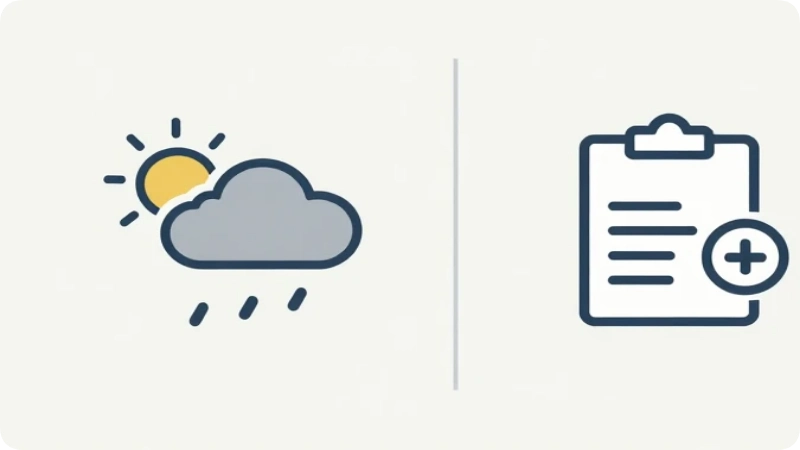
| Context | Example Sentence | What It Actually Means |
| Casual/everyday | “This weather is so bipolar, sunny one minute and pouring the next.” | Describes rapid, unrelated changes; not a reference to the disorder. |
| Casual/everyday | “My phone’s been bipolar all week, working fine then freezing.” | Informal way to describe inconsistency. |
| Clinical | “She was diagnosed with bipolar II disorder after years of unexplained mood episodes.” | Refers to an actual medical diagnosis made by a professional. |
| Clinical | “His psychiatrist adjusted his medication to manage his bipolar symptoms.” | Refers to ongoing treatment of a real condition. |
Although people do not necessarily intend harm when they use the term casually, many people living with bipolar disorder find it frustrating when others turn a serious diagnosis into a throwaway comparison for unrelated things, such as indecisive weather or a glitchy app.
Real Life Examples
In conversation: A friend might say, “I’ve been reading up on bipolar disorder since my cousin was recently diagnosed, and it’s helped me understand what she goes through.”
At school: A health class assignment might ask students to compare bipolar disorder with major depressive disorder to understand how mood episodes differ.
In the workplace: An employee might disclose to HR that they manage bipolar disorder and request reasonable accommodations, such as flexible scheduling around medical appointments.
On social media: A mental health advocate might post, “Bipolar disorder is not ‘moody’ it’s a diagnosable condition with real treatment options,” aiming to correct a common misconception.
In professional writing: A journalist covering a mental health story might write, “The study followed adults diagnosed with bipolar I disorder over a five year period,” using the term precisely rather than loosely.
Common Misunderstandings
- “Bipolar just means moody.” Mood swings from everyday stress are different from the distinct, sustained episodes that define bipolar disorder.
- “People with bipolar disorder are always in crisis.” Many people manage the condition effectively with treatment and can go long stretches with stable mood.
- “It’s the same as multiple personality disorder.” This is a separate and unrelated condition, formally known as dissociative identity disorder.
- “Only extreme highs count as mania.” Hypomania, seen in bipolar II, is real but less intense, which is part of why bipolar II can be harder to recognize.
- “You can just snap out of an episode.” Mood episodes are tied to underlying brain chemistry and typically require treatment, not willpower alone.
Related Terms and How They Differ
- Bipolar disorder vs. depression Depression on its own involves low mood without the wild or frenzied highs. Bipolar disorder includes both poles.
- Borderline personality disorder causes rapid mood shifts too, but interpersonal events usually trigger these shifts, and they last for hours rather than the multi-day to weeks-long episodes that bipolar disorder causes.
- Mania vs. hypomania Mania is more severe, can involve psychosis, and may require hospitalization. Hypomania is milder and doesn’t usually disrupt daily functioning to the same degree.
- Bipolar vs. mood swings Ordinary mood swings can happen within a single day and are usually tied to a clear trigger. Bipolar episodes tend to last longer and shift the person’s overall functioning, not just their momentary reaction.
Signs Someone Might Be Experiencing a Mood Episode
Although only a qualified mental health professional can diagnose bipolar disorder, recognizing common warning signs can encourage someone to seek help sooner.
During a wild or frenzied episode, a person may:
- Sleep very little without feeling tired.
- Speak much faster than usual.
- Feel unusually confident or energetic.
- Start many new projects at once.
- Make impulsive financial or personal decisions.
- Become easily distracted.
During a depressive episode, someone may:
- Feel persistently sad or empty.
- Lose interest in hobbies they once enjoyed.
- Sleep much more or much less than usual.
- Experience low energy nearly every day.
- I find it difficult to concentrate.
- Withdraw from friends and family.
These symptoms usually last for days or weeks rather than changing from hour to hour, which is one reason bipolar disorder differs from ordinary mood swings.
How Is Bipolar Disorder Treated?
Although bipolar disorder cannot currently be cured, it can often be managed successfully through long term treatment. Most treatment plans combine medication, psychotherapy, education, and healthy lifestyle habits.
Mood stabilizers and other prescribed medications help reduce the frequency and severity of mood episodes. Therapy can teach coping strategies, improve relationships, and help people recognize early warning signs of future episodes.
Regular sleep, stress management, avoiding recreational drugs, and attending follow up appointments also play important roles in maintaining stability. Because every person’s experience is different, treatment plans should always be tailored by a qualified healthcare provider.
Can People With Bipolar Disorder Live Normal Lives?
Yes. Many people with bipolar disorder build successful careers, maintain healthy relationships, raise families, and pursue their goals while managing the condition.
Like other long term health conditions, bipolar disorder usually requires ongoing care rather than a one time treatment. With the right combination of medication, therapy, support, and healthy daily habits, many individuals experience long periods of stable mood and lead productive, fulfilling lives.
When to Use the Word and When to Avoid It
Use “bipolar” clinically when referring to an actual diagnosis, a person’s disclosed condition, or a factual discussion of the disorder. This keeps the term accurate and respectful.
Avoid using it as a casual synonym for indecisiveness, unpredictability, or ordinary mood changes, especially in professional writing, healthcare contexts, or when speaking about a specific person. Many style guides for health journalism now recommend precise, person first language, such as “a person with bipolar disorder” rather than labeling someone simply as “a bipolar.”
Expert Tips for Talking About Bipolar Disorder
- Use person first language: “a person with bipolar disorder” rather than “a bipolar person.”
- Avoid diagnosing someone informally based on mood changes you’ve observed; suggest a professional evaluation instead.
- If a friend or colleague discloses their diagnosis, respond with the same respect you’d give any other health condition.
- When writing for a general audience, briefly define bipolar disorder the first time you use it, since readers’ familiarity with the term varies widely.
Quick Summary Table
| Aspect | Detail |
| Word origin | Latin “bi” (two) + “polar” (poles) |
| Pronunciation | by POH lar |
| Clinical meaning | A mood disorder involving wild/frenzied and depressive episodes |
| Casual meaning | Anything that shifts between two extremes |
| Main types | Bipolar I, Bipolar II, Cyclothymic disorder |
| Who diagnoses it | Psychiatrists, psychologists, or other licensed mental health professionals |
| Common confusion | Often mixed up with dissociative identity disorder or general mood swings |
FAQ
Is bipolar disorder the same as being “moody”?
No. Ordinary moodiness is short term and tied to daily events, while bipolar disorder involves distinct episodes of mania or hypomania and depression that last for defined periods and affect functioning.
Can bipolar disorder be cured? There is no cure, but it is a manageable condition. Many people stabilize their mood long term with a combination of medication, therapy, and lifestyle strategies developed with a healthcare provider.
What’s the difference between bipolar I and bipolar II?
Bipolar I involves at least one full wild episode, while bipolar II involves hypomania, a milder form, paired with depressive episodes that are often more prominent.
Is it okay to say someone is “a little bipolar” if they’re moody?
It’s best to avoid this, since it can trivialize a real diagnosis for people who actually live with the disorder and may make it harder for them to feel understood.
Can bipolar disorder develop later in life, or does it always start young?
It most commonly first appears in the late teens to early adulthood, though it can be diagnosed at other ages too. A qualified professional can assess the specific timeline for any individual.
Does having bipolar disorder mean someone is dangerous?
No. This is a persistent stereotype, but the vast majority of people with bipolar disorder are not violent. Mood episodes affect emotion and energy, not a person’s fundamental character.
How is bipolar disorder typically treated?
Treatment often includes mood stabilizing medication, psychotherapy, and consistent routines around sleep and stress management, tailored by a healthcare provider to the individual.
Can stress cause bipolar disorder?
Stress alone does not cause bipolar disorder, but it can trigger mood episodes in people who are already genetically or biologically predisposed to the condition. Managing stress is often an important part of long term treatment.
Can children develop bipolar disorder?
Although doctors most commonly diagnose bipolar disorder during the late teenage years or early adulthood, they can also diagnose it in children and adolescents. Diagnosing younger individuals can be more complex because symptoms may overlap with other mental health conditions, so evaluation by a specialist is important.
Is bipolar disorder inherited?
Genetics play a significant role in bipolar disorder. Having a close family member with the condition increases a person’s risk, but it does not guarantee they will develop it. Most experts believe bipolar disorder results from a combination of inherited and environmental factors.
Can bipolar disorder be prevented?
There is currently no known way to prevent bipolar disorder completely. However, recognizing symptoms early, seeking professional care, and following a treatment plan can help reduce the frequency and severity of mood episodes.
Is bipolar disorder the same as anxiety?
Anxiety disorders primarily cause excessive fear or worry, while bipolar disorder involves episodes of mania or hypomania and depression. Although some people experience both conditions at the same time, they are separate diagnoses.
Conclusion
Bipolar means “two poles,” and in its clinical sense, it describes a mood disorder built around swings between wild or frenzied highs and depressive lows. The casual, everyday use of the word for unpredictable weather, moods, or gadgets is common, but it’s worth keeping the two meanings separate, especially when talking about real people and real diagnoses.
Understanding the accurate definition helps reduce stigma and makes conversations about mental health clearer and more respectful.