
YMCA stands for Young Men’s Christian Association. It began in 1844 as a small support group in London and has since grown into one of the largest community service organizations in the world, offering fitness, youth programs, childcare, and social services to people of every age, gender, and background.
The name sounds simple, but it carries more than 175 years of history. This article breaks down exactly what each letter means, why the name has stuck around even though the group now serves everyone, and how the YMCA fits into daily life in your community.
Table of Contents
- What Does Each Letter in YMCA Mean?
- The Origin and History of the YMCA
- Why “Young Men’s” Still Appears in the Name Today
- Is the YMCA Only for Men? Understanding Modern Membership
- YMCA vs. YWCA: What’s the Difference?
- What Does the YMCA Do Today?
- Common Misunderstandings About the Name
- How to Pronounce and Use “YMCA” Correctly
- FAQ
- Conclusion
What Does Each Letter in YMCA Mean?
Each letter in the acronym stands for one word in the organization’s full name:
| Letter | Stands For |
| Y | Young |
| M | Men’s |
| C | Christian |
| A | Association |
Put together, YMCA means Young Men’s Christian Association. The name reflects who the group was originally built for and the faith based values that guided its founding, even though today’s YMCA welcomes members regardless of age, gender, or religion.
You’ll usually see it written simply as “YMCA,” but you may also hear people refer to it casually as “the Y.” Both refer to the exact same organization.
Why Do People Call YMCA “The Y”?
“The Y” is a shortened nickname for YMCA. Many branches use this name because it feels more welcoming and reflects that the organization serves more than its original audience.
YMCA Facts at a Glance
The YMCA has a long history that goes beyond its name. Here are some key facts that explain where the organization came from and what it represents today.
| Fact | Details |
| Full Name | Young Men’s Christian Association |
| Founded | 1844 |
| Founder | George Williams |
| Place of Origin | London, England |
| Original Purpose | Providing support and a safe community for young men moving to cities for work |
| Modern Focus | Youth development, fitness, health, childcare, and community programs |
| Common Nickname | The Y |
Although the YMCA began as a small religious and social support group, it has grown into a worldwide organization focused on helping communities through education, wellness, and social services.
The Origin and History of the YMCA
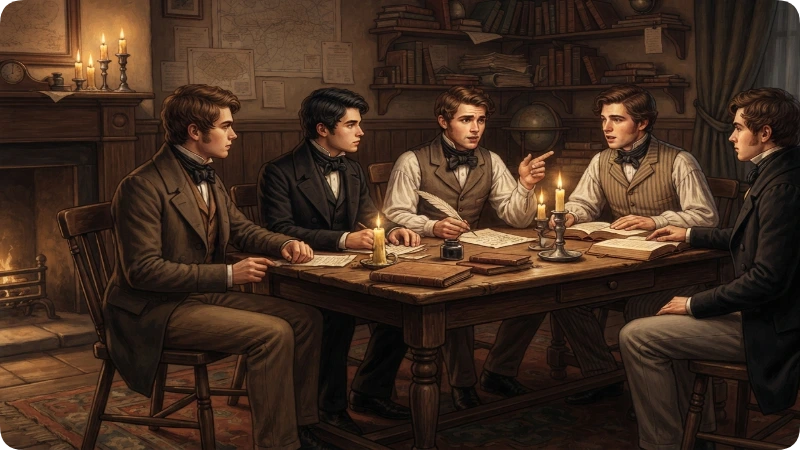
The YMCA didn’t start as a gym or a community center. It began as a response to a specific social problem in a fast changing city.
Who Founded the YMCA?
The organization was founded in London in 1844 by George Williams, a young draper’s assistant who wanted to create a safe, supportive space for young men moving from rural areas into the city for work. Industrial era London was crowded, and many young workers had few positive places to spend their free time.
Why Was It Started?
Williams and a small group of friends started meeting for Bible study and conversation as an alternative to the unhealthy environments common in the city at the time. That small gathering grew quickly, and within a few years the YMCA had spread across the United Kingdom, then to North America, and eventually to countries around the world.
By the late 1800s, the YMCA had already introduced ideas that still define it today, including organized group exercise, dormitory style housing for young workers, and structured youth programs. It’s also worth noting that basketball and volleyball were both invented at YMCA training schools in the United States, which shows how central physical activity became to the organization’s mission early on.
What Is the YMCA’s Mission?
The YMCA focuses on strengthening communities by helping people improve their health, learn new skills, build relationships, and support each other.
YMCA Facts at a Glance
| Fact | Detail |
| Founded | 1844 |
| Founder | George Williams |
| Founded In | London, England |
| Original Purpose | Supporting young workers |
| Modern Focus | Health, youth development, community support |
Why “Young Men’s” Still Appears in the Name Today
Many people notice that today’s YMCA branches serve entire families, yet the word “Men’s” is still part of the official name. This is mainly a matter of history and brand recognition rather than current policy.
The name reflects the organization’s founding purpose in 1844. Over time, the YMCA’s mission expanded far beyond its original audience, but the historical name has remained largely unchanged in most countries because it’s tied to over 175 years of recognition and trust.
Some local YMCA branches now use shortened branding, like simply “the Y,” partly to reflect this broader, more inclusive mission without needing to change the legal or historical name.
Is the YMCA Only for Men? Understanding Modern Membership

No. The modern YMCA is open to men, women, children, and families. Membership, programs, and staff positions are generally available to everyone, regardless of gender.
Today’s YMCA typically offers:
- Fitness centers and group exercise classes for adults of any gender
- Swim lessons and aquatics programs for children and adults
- Childcare and early learning programs
- After school and summer camp programs
- Youth sports leagues
- Community health and wellness initiatives
The shift from a men only group to a fully inclusive organization happened gradually over the 20th century, as the YMCA’s focus moved from housing young male workers to serving the broader health and social needs of entire communities.
Why Is YMCA Called “The Y”?
Many people today refer to the YMCA simply as “the Y.” This shorter name became popular because it reflects how the organization has changed over time.
The original name, Young Men’s Christian Association, describes the group’s purpose when it started in 1844. However, modern YMCA branches serve people of all ages, genders, and backgrounds. Using “the Y” creates a simpler and more inclusive way to describe the organization.
When someone says they are “going to the Y,” they usually mean they are visiting their local YMCA for activities such as exercise classes, swimming, childcare, sports, or community programs.
“The Y” is not a separate organization. It is simply a familiar nickname for the YMCA.
YMCA vs. YWCA: What’s the Difference?
People sometimes confuse the YMCA with the YWCA, and while the names sound similar, they started as two separate organizations.
| YMCA | YWCA | |
| Full name | Young Men’s Christian Association | Young Women’s Christian Association |
| Founded | 1844, London | 1855, London |
| Original audience | Young men | Young women |
| Modern membership | Open to everyone | Open to everyone, with a continued focus on women’s empowerment |
Both organizations grew out of the same era and city, and both expanded well beyond their original audiences. The main practical difference today is that the YWCA tends to keep a stronger institutional focus on women’s advocacy and empowerment programs, while the YMCA is generally known more broadly for community fitness, youth development, and family programs.
What Does the YMCA Do Today?
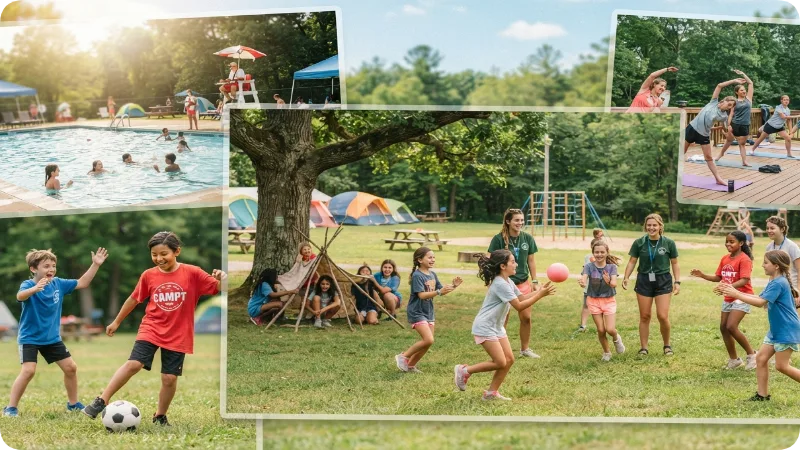
Modern YMCA branches function more like community service hubs than religious organizations. While many retain some connection to their Christian roots, most day to day programs are secular and open to people of any faith or none at all.
Common areas of focus include:
- Youth development – mentoring, camps, sports leagues, and leadership programs for kids and teens.
- Healthy living – gyms, group fitness classes, swimming pools, and wellness coaching for all ages.
- Social responsibility – food assistance, housing support, and community outreach in many local branches.
Because each YMCA branch is typically run as a local nonprofit under a national or international umbrella organization, the exact mix of programs can vary quite a bit from one city to another.
YMCA Programs and Services in Local Communities
While YMCA locations differ from place to place, most branches focus on improving health, supporting families, and strengthening communities.
Common YMCA programs include:
- Fitness and wellness programs: Gyms, workout classes, personal training, and health programs help people stay active.
- Swimming programs: Many YMCA locations offer swim lessons, water safety education, and competitive swimming programs.
- Childcare services: Early learning centers, daycare programs, and after-school care support working families.
- Youth development: Camps, mentoring programs, sports leagues, and leadership activities help children and teenagers build confidence.
- Community support: Some branches provide food assistance, senior programs, job support, and other local services.
Because each YMCA branch responds to the needs of its community, programs can vary widely between locations.
Common Misunderstandings About the Name
A few mix ups come up often enough that they’re worth clearing up directly.
- “YMCA is a church.” It isn’t. While it was founded with Christian values and some branches still hold faith based programming, most YMCA activities are open to people of all religious backgrounds and are not centered on worship.
- “YMCA only serves young people.” The word “Young” in the name reflects its 1844 origins, but today’s YMCA serves people of all ages, including elders’ fitness and wellness programs.
- “YMCA and YWCA are the same organization.” They’re historically related but have always been separate organizations with their own leadership and programs.
- “The Y” is a different brand from “YMCA.” They’re the same organization; “the Y” is simply a shorter, more casual name many branches use in marketing.
Why Is YMCA Famous in Pop Culture?
The YMCA became globally recognizable partly because of the 1978 song “Y.M.C.A.” by the Village People. The song introduced the organization’s name to millions of people and became famous for its energetic dance moves performed at parties, sporting events, and celebrations.
Although many people know the song mainly as a pop-culture moment, the lyrics reference the YMCA as a place where young people could find support, friendship, and opportunities.
The popularity of the song helped make “YMCA” one of the most recognizable organization names worldwide.
How to Pronounce and Use “YMCA” Correctly
YMCA is pronounced by saying each letter individually: Y M C A (why em see ay). It’s an initialism, not an acronym you’d say as one word, which is different from something like “NASA,” which is pronounced as a single word.
In everyday use, you’ll see it applied in a few common ways:
- As the name of the organization: “I signed my daughter up for swim lessons at the YMCA.”
- As a shortened nickname: “I’m heading to the Y after work.”
- In pop culture references, most famously the 1978 song “Y.M.C.A.” by the Village People, which introduced the organization’s name to a much wider audience worldwide.
Why Is YMCA Famous in Pop Culture?
The 1978 song “Y.M.C.A.” by the Village People helped make the organization’s name globally recognizable. Although the song became famous for its dance and celebration, it also introduced millions of people to the YMCA name.
FAQs
Does YMCA still stand for “Young Men’s Christian Association” officially?
Yes, in most countries the organization’s full legal name remains Young Men’s Christian Association, even though membership and services are open to everyone.
Do you have to be Christian to join the YMCA?
No. Most YMCA branches welcome members of any religion or no religion at all. Some specific programs may have a faith based element, but general membership does not require any religious affiliation.
Is the YMCA a nonprofit organization?
Yes. YMCA branches typically operate as nonprofit organizations, often relying on membership fees, donations, and community funding to support their programs.
What age groups does the YMCA serve?
The YMCA serves nearly every age group, from infants in childcare programs to elders participating in wellness and fitness classes.
Is the YMCA the same in every country?
The core mission is similar worldwide, but programs, branding, and local structure can vary by country since each national YMCA organization operates somewhat independently.
Why is basketball connected to the YMCA?
Basketball was invented in 1891 by James Naismith at a YMCA training school in Springfield, Massachusetts, as a way to keep young men active indoors during winter.
Is “the Y” a nickname or an official name?
“The Y” is an informal, widely used nickname for the YMCA rather than a separate official name, though many branches use it in their everyday branding.
YMCA Around the World
The YMCA expanded from its beginnings in London into a global movement with organizations in many countries.
While YMCA branches around the world share similar goals of community service, youth development, and healthy living, each country and local branch may operate differently based on community needs.
International YMCA programs commonly focus on areas such as:
- Youth education and leadership
- Health and wellness
- Sports and recreation
- Community development
- Social support programs
Today, the YMCA continues to adapt while keeping its original goal of helping people and strengthening communities.
Conclusion
YMCA stands for Young Men’s Christian Association, a name that dates back to its founding in 1844 London as a support group for young men new to city life.
While the name has stayed largely the same for over 175 years, the organization itself has grown into an inclusive community resource offering fitness, childcare, youth programs, and social services to people of every age and background.
Understanding the history behind the name helps explain why “Young Men’s” still appears today, even though the modern YMCA truly serves everyone.