
The Bible never directly commands or forbids cremation. Burial was the standard practice among biblical Israelite, but Scripture treats the condition of the body after death as far less important than the condition of the soul.
This article walks through the actual biblical text, the historical burial customs of the time, the handful of passages people bring up in this debate, and how different Christian traditions have come to different conclusions about it today.
If you’re trying to decide If cremation is “allowed” for yourself or a loved one, or you’re just curious what Scripture actually says, you’ll find a clear, balanced answer here without having to dig through several other sites.
The Short Answer
Nowhere in the Bible is there a verse that says “you must not be cremated” or “cremation is a sin.” The topic simply isn’t addressed as a rule. What the Bible does show, consistently, is that burial was the cultural norm in ancient Israel, and it links the resurrection hope to God’s power over death rather than to the physical state of a body.
Most Bible scholars and pastors across denominations agree on this basic point, even when they land in different places on If cremation is advisable. The disagreement isn’t about what the text says, it’s about how much weight to give to cultural custom versus explicit command.
Why Burial Was the Default Practice in Biblical Times
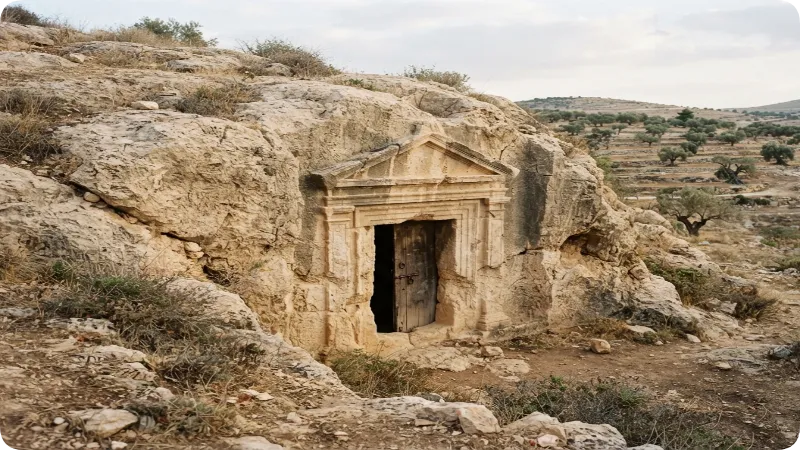
To understand why cremation feels like a departure from “biblical tradition,” it helps to know what burial meant to ancient Israelites.
Burial Reflected Respect for the Body
In the ancient Near East, the body was treated with care after death, usually washed, wrapped in cloth, and laid in a tomb or a grave, sometimes shared with family members over generations. Genesis records the patriarchs Abraham, Isaac, Jacob being buried in family tombs, most notably the cave of Machpelah that Abraham purchased for Sarah in Genesis 23.
Cremation Was Associated with Judgment or Disgrace
A few Old Testament passages mention burning bodies, but almost always in the context of punishment or shame rather than a peaceful goodbye. For example, Joshua 7:25 describes the burning of Achan and his family after Achan’s disobedience, and Leviticus 20:14 lists burning as a penalty for a specific serious offense. Because of this, some later Jewish and Christian traditions came to see fire as connected to divine judgment rather than a fitting way to honor the dead.
It’s worth noting these passages are describing punishment for wrongdoing, not laying out a general rule about disposal of the dead. Reading them as a blanket condemnation of cremation stretches the text further than it goes.
A Key Counterexample: 1 Samuel 31
One of the more interesting passages skeptics of a strict “burial only” view point to is 1 Samuel 31:12 13. After King Saul and his sons died in battle, the men of Jabesh Gilead retrieved their bodies, burned them, and then buried the bones under a tree. This was done out of honor and rescue from further desecration by the Philistines, not shame. Later, in 2 Samuel 21:12 14, their bones are treated with continued respect. This passage shows that burning a body wasn’t automatically treated as dishonorable in every biblical scene context mattered.
Bible Verses People Ask About Regarding Cremation
Several verses come up again and again in this conversation. Here’s what each one actually says and doesn’t say.
Genesis 3:19 “For Dust You Are and to Dust You Shall Return”
This verse is often quoted as if it supports one method of burial over another, but its real point is about mortality itself. It’s telling Adam that his physical body, formed from the ground, will eventually decay and return to the earth. If that return happens gradually through burial or quickly through cremation, the theological point that human bodies are temporary and death is the consequence of sin entering the world stays the same either way.
1 Corinthians 15 The Resurrection Chapter
This chapter is the Bible’s most detailed teaching on what happens to the body after death, and it never mentions burial or cremation specifically. Paul describes the current body as a “seed” that is “sown” and raised again in a transformed, imperishable form. His argument is that God can raise any body, in any condition, because the resurrection body is a new creation, not a patched up version of the old one. This is often the strongest passage cited by those who believe cremation doesn’t threaten a person’s resurrection hope in any way.
1 Corinthians 6:19 20 The Body as a Temple
This passage teaches that a believer’s body belongs to God and should be honored, since it’s described as a dwelling place of the Holy Spirit. It’s about how a person lives in their body, not about funeral practices after death. Some people apply this verse to argue for treating the body with dignity even after death, which is a reasonable pastoral application, but the verse itself is addressing conduct during life, not disposal method after death.
Acts 8:2 and Other Burial Accounts
The New Testament also shows the early church continuing the burial custom Stephen is buried by devout men who mourn him, and Jesus himself is placed in a tomb after his crucifixion (Matthew 27:59 60). These accounts describe common practice at the time rather than issuing a command that all future believers must follow the same method.
Does Cremation Affect the Resurrection?
This is usually the real question behind “what does the Bible say about cremation.” People aren’t just curious about ancient customs they want to know if choosing cremation puts someone’s resurrection or salvation at risk.
Based on the broader teaching of Scripture, the answer most theologians across traditions give is no. The core argument runs like this:
- God is described throughout Scripture as having full power over creation, including the ability to remake and restore anything, no matter its physical state.
- Many bodies throughout history have been lost to fire, war, drowning, or simply decomposed completely over centuries. If resurrection depended on an intact body, none of those believers could be raised either.
- The resurrection body described in 1 Corinthians 15 is described as fundamentally different and transformed, not a repair job on the exact same physical particles.
So while cremation isn’t the traditional biblical custom, most theologians don’t see it as a barrier to what Christians believe happens after death.
How Different Christian Traditions View Cremation Today
Even though the Bible doesn’t issue a direct command, church traditions have developed their own guidance over the centuries, largely shaped by history, symbolism, and pastoral concern rather than a specific verse.
| Tradition | General View on Cremation | Reasoning |
| Roman Catholic | Permitted since 1963, with guidelines | The Catholic Church lifted its long standing prohibition, but still asks that ashes be buried or entombed in a sacred place rather than scattered or kept at home, out of respect for the body and consistent belief in the resurrection |
| Eastern Orthodox | Generally discouraged | Orthodox tradition places strong emphasis on burial as an act of hope in bodily resurrection and historically views cremation as inconsistent with that symbolism |
| Protestant (most denominations) | Generally left to personal conscience | Most Protestant churches, including Baptist, Methodist, Lutheran, and non denominational congregations, treat this as a matter of personal or family choice since Scripture doesn’t command either method |
| Judaism | Traditionally discouraged, though views vary by branch | Traditional Jewish law favors prompt burial, and cremation has historically been avoided, though Reform Judaism is generally more accepting |
Because guidance changes and varies by congregation, it’s worth speaking with your own pastor, priest, or rabbi if this decision is tied to a specific faith community’s expectations.
Common Misunderstandings About Cremation and the Bible
A few myths tend to circulate on this topic, so it’s worth clearing them up directly.
Myth: The Bible calls cremation a sin. There is no verse anywhere in Scripture that labels cremation itself as sinful. The judgment related passages describe burning as a punishment for specific crimes, not a general prohibition on the practice.
Myth: A cremated body can’t be resurrected. This idea isn’t supported by 1 Corinthians 15, which describes resurrection as a transformation, not a reassembly of original physical matter.
Myth: Every biblical figure was buried, never cremated. As shown in 1 Samuel 31, Saul and his sons were burned before their bones were buried, showing the practice wasn’t entirely foreign to the biblical world.
Myth: Choosing cremation shows a lack of faith. This is a pastoral opinion some hold, not a biblical statement. Reasonable, faithful Christians land on different sides of this personal decision.
Practical Considerations for Christian Families Weighing This Decision

If you’re facing this decision for yourself or a family member, a few practical questions can help guide the conversation with your faith community:
- Does your specific church or tradition have guidelines? Catholic parishes, for instance, will typically ask that cremated remains be buried or entombed rather than scattered.
- What did the person who passed away want? Many families find peace by honoring a loved one’s own wishes when they are clearly expressed.
- Are there cost, environmental, or logistical factors at play? Cremation is often less expensive and more flexible for families spread across different locations, which is a completely legitimate practical consideration alongside any theological one.
- Would a memorial service still reflect your faith traditions? Cremation doesn’t prevent a full funeral service, scripture readings, hymns, or a graveside committal for the ashes.
FAQs
Is cremation a sin according to the Bible?
No specific verse calls cremation a sin. The Bible’s judgment related references to burning describe punishment for particular offenses, not a general rule against the practice.
Did any biblical figures get cremated?
1 Samuel 31 describes Saul and his sons’ bodies being burned by the men of Jabesh Gilead before their bones were buried, done as an act of honor rather than disgrace.
Can a cremated person still go to heaven?
Christian teaching about salvation centers on faith, not on how a person’s body is disposed of after death, so cremation itself has no bearing on this.
What does the Catholic Church say about cremation?
The Catholic Church has permitted cremation since 1963, provided the ashes are treated with respect and buried or entombed in a sacred place rather than scattered or divided among family members.
Why did ancient Israelites practice burial instead of cremation?
Burial reflected care and respect for the body and family tradition, with tombs often shared across generations, while burning a body was more commonly associated in the text with judgment for wrongdoing.
Does cremation affect the resurrection of the body?
Most theologians say no, pointing to 1 Corinthians 15’s description of the resurrection body as a transformed, new creation rather than a restoration of the exact same physical remains.
Is it better to choose burial over cremation as a Christian?
Scripture doesn’t rank one method as spiritually superior. The choice generally comes down to personal conviction, denominational guidance, family wishes, and practical circumstances.
Final Thoughts
The Bible doesn’t hand down a rule about cremation one way or the other. What it shows is a culture that valued burial and treated the body with care, alongside a resurrection hope that rests on God’s power rather than the physical state of a body. If a family chooses burial or cremation today, the more important biblical thread honoring the person who died and trusting in the hope of resurrection remains the same either way.