
A vaginal tear usually looks like a thin, reddish crack, split, or graze in the skin at the vaginal opening or the perineum (the area between the vagina and anus). It can look as minor as a paper cut like line or, in more severe cases, appear as a deeper, jagged wound with visible bleeding or swelling.
Vaginal tears are common after childbirth, but they can also happen from vigorous sexual activity, vaginal dryness, or minor injury. Understanding what a tear actually looks like and how it differs from a normal variation in skin texture or a more serious wound helps you know when home care is enough and when you need medical attention.
In this guide, you’ll learn what tears look like at each stage of severity, what causes them, how they differ from similar conditions like fissures or hemorrhoids, and how to care for one while it heals.
What a Vaginal Tear Looks Like: The Basics
Most vaginal tears appear in one of these ways:
- A thin red or pink line similar to a paper cut, often at the edge of the vaginal opening or perineum
- A small split in the skin sometimes with slightly raised or separated edges
- Mild swelling or puffiness around the injured area
- Light bleeding or spotting, especially right after the tear happens
- A darker red or purple bruise like area surrounding the tear if there’s been impact or friction
A tear is different from a scratch because it goes through the top layer of skin rather than just irritating the surface. Depending on depth, it may involve only the skin, or it may extend into the muscle beneath it.
Vaginal Tears After Childbirth: What They Look Like by Degree
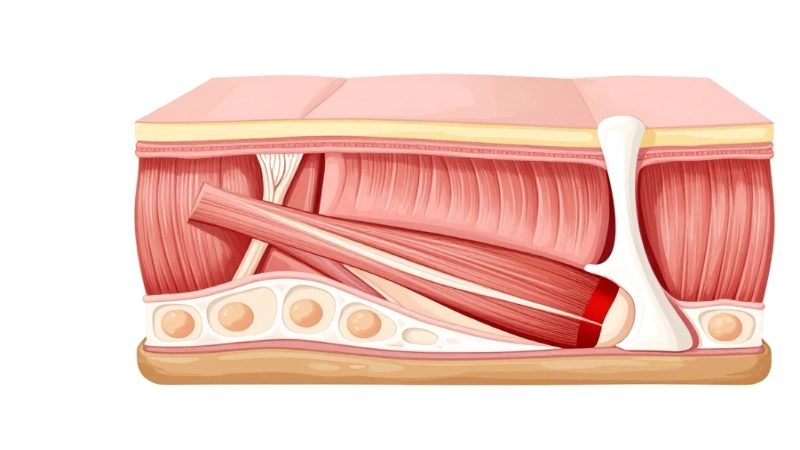
Childbirth is the most common cause of vaginal and perineal tears. Doctors classify these tears into four degrees based on depth, and each looks different.
First Degree Tear
This is the mildest type. It looks like a shallow scrape or thin split in the skin of the vaginal opening or perineum. There’s usually little to no visible muscle involvement, and bleeding is minimal. Many first degree tears are barely noticeable without a mirror or medical exam.
Second Degree Tear
This tear extends past the skin into the muscle of the perineum. It looks like a deeper, longer split, sometimes with visible pink muscle tissue at the base of the wound. This is the most common degree of tear during vaginal delivery and typically requires stitches.
Third Degree Tear
This tear extends further, reaching the muscle that surrounds the anus (the anal sphincter). It looks like a deep, wide tear with a jagged or irregular edge, often with noticeable swelling and bruising around it. This type needs prompt surgical repair.
Fourth Degree Tear
The most severe type, this tear extends through the anal sphincter and into the lining of the rectum. It looks like an open wound connecting the vaginal and rectal areas, with visible tissue separation. This requires immediate repair in an operating room.
| Degree | Depth | Visual Appearance |
| First | Skin only | Thin line, minor redness |
| Second | Skin + muscle | Deeper split, visible muscle tissue |
| Third | Skin + muscle + partial anal sphincter | Wide, jagged tear with swelling |
| Fourth | Through anal sphincter into rectal lining | Open wound, tissue separation |
What a Minor Tear from Sex or Friction Looks Like
Tears that happen from vaginal dryness, vigorous activity, or insufficient lubrication tend to look different from childbirth tears. They usually appear as:
- A small, thin crack near the vaginal opening, often at the back (near the perineum) or along the labia
- A faint red line that may sting when touched or during urination
- Minimal swelling
- Light spotting on underwear or toilet tissue, especially after urinating
These tears are typically shallow and heal on their own within a few days, especially if the area is kept clean and irritation is avoided during healing.
Vaginal Tear vs. Other Similar Looking Conditions
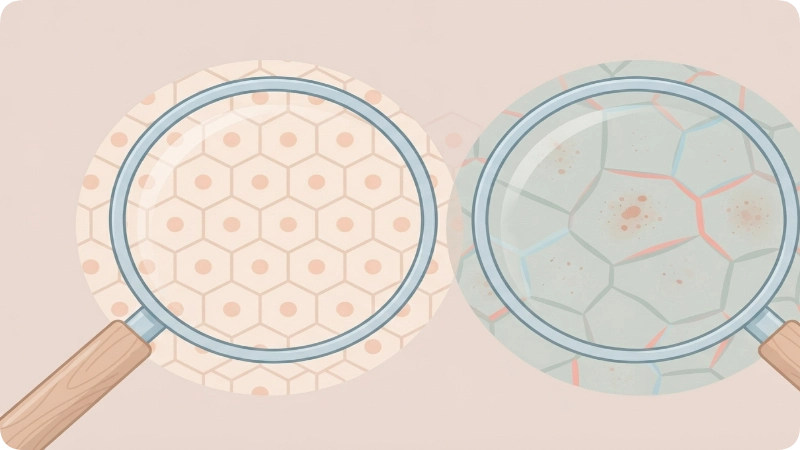
Several conditions can look similar to a tear at first glance. Knowing the difference helps you decide what kind of care you need.
Vaginal Fissure
A fissure is a small crack in the skin, often caused by dryness or friction, similar in appearance to a first degree tear. Fissures tend to be thinner and more superficial, and they often recur in the same spot if the underlying dryness isn’t addressed.
Vaginal Skin Tags or Normal Skin Folds
Natural skin folds near the vaginal opening can sometimes be mistaken for a healing tear. Unlike a tear, these are smooth, consistent in color, and don’t cause pain or bleeding.
Hemorrhoids
Hemorrhoids near the perineal or anal area can look swollen and reddish purple, similar to a bruised tear. However, hemorrhoids are usually rounded lumps rather than linear splits in the skin.
Yeast Infection Irritation
Yeast infections can cause redness, small cracks, and swelling that resemble a tear, but they’re usually accompanied by itching, discharge, and a broader area of irritation rather than a single defined tear line.
Symptoms That Often Accompany a Vaginal Tear
Along with the visual signs, a tear commonly comes with:
- Stinging or burning, especially during urination
- Mild to moderate pain when sitting, walking, or during intercourse
- Light bleeding that usually slows within a day or two
- Tenderness when the area is touched
- Swelling that peaks in the first 24–48 hours and then gradually improves
When a Tear Needs Medical Attention
Most first degree tears heal on their own with basic hygiene and time. However, you should see a doctor or midwife if you notice:
- Bleeding that doesn’t slow down or soaks through pads quickly
- A tear that appears deep, wide, or extends toward the anus
- Increasing pain, redness, or swelling after the first few days (possible signs of infection)
- Pus, foul odor, or fever
- Difficulty urinating or controlling bowel movements
- Any tear that occurred during childbirth without immediate medical evaluation
If you’re ever unsure how serious a tear looks, it’s always safer to have it checked rather than guess.
How Vaginal Tears Heal
Healing time depends on the depth of the tear:
- First degree tears often heal within a few days to a week.
- Second degree tears typically take two to three weeks, especially with stitches.
- Third and fourth degree tears can take four to six weeks or longer, with follow up care to monitor healing and function.
During healing, the tear’s appearance will change starting as a red, open line, then gradually closing, lightening in color, and eventually fading into surrounding skin tone as new tissue forms.
Caring for a Healing Tear

- Keep the area clean and dry, patting rather than rubbing after washing.
- Use a peri bottle (a squeeze bottle of warm water) instead of wiping when urinating, especially after childbirth.
- Wear breathable cotton underwear to reduce friction.
- Avoid tight clothing and vigorous activity until the area has healed.
- Follow any specific wound care instructions from your provider, especially for stitched tears.
FAQs
Is a vaginal tear the same as an episiotomy?
No. An episiotomy is a surgical cut made intentionally by a provider during delivery to widen the vaginal opening, while a tear happens naturally from the pressure of childbirth or other causes.
Can a vaginal tear heal without stitches?
Yes, shallow first degree tears often heal on their own. Deeper tears usually need stitches to heal properly and reduce the risk of complications.
Does a vaginal tear always bleed?
Not always. Some tears cause only mild spotting, while others, especially deeper ones, can bleed more noticeably.
Can I check for a tear myself?
Yes, using a handheld mirror in good lighting can help you see the area, though it can be hard to judge depth accurately without a medical exam.
Is it normal for the area to look swollen after a tear?
Mild swelling in the first day or two is common and expected. Swelling that worsens after that point can be a sign of infection and should be checked.
Will a vaginal tear leave a scar?
Minor tears often heal without any visible scarring. Deeper tears, particularly those requiring stitches, may leave a small, faint scar line.
How can I prevent vaginal tears during childbirth?
Perineal massage in the weeks before delivery, controlled pushing techniques, and warm compresses during labor are commonly recommended strategies, though every birth is different.
Key Takeaway
A vaginal tear typically looks like a thin red line, split, or graze near the vaginal opening or perineum, with the appearance varying based on depth and cause.
Recognizing what’s normal healing versus a sign of infection or a more serious tear helps you respond appropriately, and when in doubt, checking in with a healthcare provider is always the safest choice.