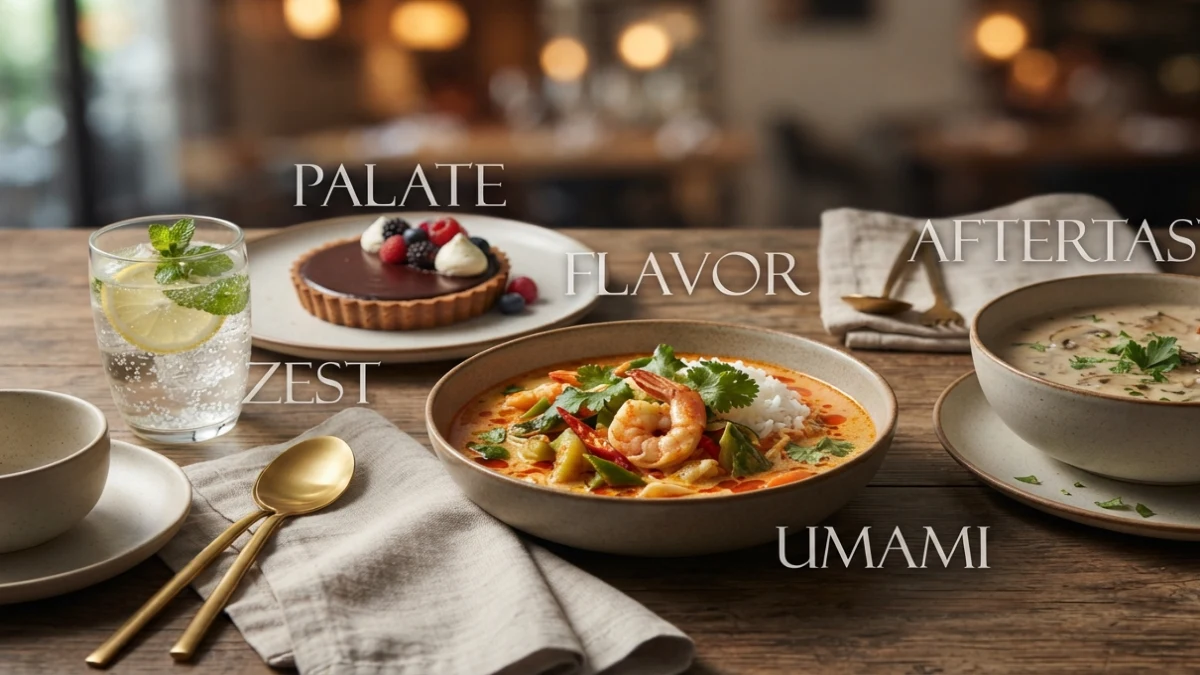
Have you ever tried to describe food but kept repeating the word “taste” again and again? I remember writing a food review and feeling stuck because everything was just “good taste” or “bad taste.”
It sounded boring and repetitive.That’s where synonyms for taste become very useful.
These are different words that help you describe flavor, preference, or even style in a more colorful way.
In simple terms, synonyms for taste are words that mean the same or almost the same as “taste.”
This topic is important for students, bloggers, content writers, freelancers, and even daily English speakers who want to sound more natural and expressive.
If you’re writing a food blog or improving your vocabulary, learning synonyms for taste (or alternative words for taste in English) makes your writing more powerful and engaging.
Featuerd Snippet:
What is meant by a synonym?
A synonym is a word that has the same or nearly the same meaning as another word.
What is the definition of synonyms for taste?
Common synonyms for taste include flavor, savor, preference, liking, palate, appreciation, relish, and sample. The best synonym depends on if you’re talking about food, personal preference, or artistic judgment.
CONTEXTUAL USAGE
When and How to Use Synonyms for Taste
You can use synonyms for taste in many situations:
1. Taste Related to Food
Examples:
- flavor
- savor
- zest
- tang
- seasoning
- aftertaste
Example:
“The soup has a rich flavor.”
2. Taste Meaning Preference
Examples:
- preference
- liking
- fondness
- inclination
- choice
Example:
“She has excellent taste in music.”
3. Taste Meaning Style or Judgment
Examples:
- refinement
- elegance
- discernment
- appreciation
- sophistication
Example:
“His taste in interior design is impressive.”
4. Taste as a Verb
Examples:
- sample
- try
- savor
- sip
- experience
Example:
“Would you like to taste the dessert?”
Common Collocations with “Taste”
Learning collocations helps you use taste naturally in speaking and writing.
✔ Taste + Food
- taste good
- taste delicious
- taste sweet
- taste bitter
- taste spicy
- taste fresh
- taste amazing
- taste different
- rich taste
- pleasant taste
👉 Example:
This homemade bread tastes fresh and delicious.
✔ Taste + Preferences
- personal taste
- individual taste
- refined taste
- excellent taste
- good taste
- bad taste
- acquired taste
- unique taste
👉 Example:
Everyone has a different personal taste in fashion.
✔ Taste + Arts & Lifestyle
- taste in music
- taste in fashion
- taste in art
- taste in books
- taste in movies
- taste in furniture
- taste in decoration
- taste in clothing
👉 Example:
She has excellent taste in home décor.
✔ Taste + Experiences
- taste success
- taste victory
- taste freedom
- taste defeat
- taste disappointment
- taste adventure
👉 Example:
The young athlete finally tasted victory after years of hard work.
50 SYNONYMS FOR TASTE (WITH MEANINGS & EXAMPLES)
| Synonym Word | Meaning | Examples |
| Flavor | How something tastes | This soup has a strong flavor. / I love the flavor of mango. |
| Palate | Sense of taste | His palate prefers sweet dishes. / She has a refined palate. |
| Savory | Pleasant, not sweet taste | The snack is savory and crispy. / I enjoy savory meals at night. |
| Zest | Strong, lively taste | The lemon adds zest to tea. / The dish has natural zest. |
| Tang | Sharp taste | The sauce has a tang of vinegar. / I like tang in salads. |
| Aftertaste | Taste left after eating | The chocolate has a sweet aftertaste. / The drink left a bitter aftertaste. |
| Savor | Enjoying taste fully | I savor every bite of pizza. / She savors homemade food. |
| Bite | Strong taste quality | The curry has a spicy bite. / The sauce adds bite to rice. |
| Sweetness | Sugary taste | The cake has perfect sweetness. / I like natural sweetness in fruits. |
| Bitterness | Sharp unpleasant taste | Coffee has bitterness. / The medicine leaves bitterness. |
| Tartness | Slight sour taste | Lemon gives tartness. / Yogurt has light tartness. |
| Umami | Rich savory taste | Mushrooms have umami. / Cheese gives umami flavor. |
| Richness | Full deep taste | The soup has richness. / Chocolate adds richness. |
| Mildness | Soft taste | This curry has mildness. / I like mildness in tea. |
| Sharpness | Strong taste | The cheese has sharpness. / Mustard adds sharpness. |
| Flavorfulness | Strong taste quality | This dish has flavorfulness. / Spice increases flavorfulness. |
| Delicacy | Fine taste | The dish is a delicacy. / Seafood has delicacy. |
| Nectar | Sweet taste | Mango tastes like nectar. / The juice is pure nectar. |
| Essence | Core taste | Vanilla essence enhances cakes. / Lemon essence is strong. |
| Piquancy | Spicy sharp taste | The sauce has piquancy. / Chili adds piquancy. |
| Seasoning | Added taste | Proper seasoning improves food. / Salt is a seasoning. |
| Aroma | Smell affecting taste | Fresh aroma improves flavor. / Coffee aroma is strong. |
| Flavoring | Something that adds taste | Vanilla is a flavoring. / Herbs are natural flavoring. |
| Relish | Enjoying taste | I relish spicy food. / She relishes desserts. |
| Gustatory feel | Sense of taste | Gustatory feel changes with age. / Spices affect gustatory feel. |
| Snackiness | Light taste quality | Chips have snackiness. / Snackiness depends on crunch. |
| Earthiness | Natural taste | Mushrooms have earthiness. / Tea has earthiness. |
| Fruitiness | Fruity taste | Wine has fruitiness. / Juice shows fruitiness. |
| Spiciness | Hot taste | Curry has spiciness. / I love spiciness in food. |
| Saltiness | Salty taste | Chips have saltiness. / Soup needs saltiness. |
| Freshness | Clean taste | Freshness improves salads. / Fish has freshness. |
| Blandness | Weak taste | Rice has blandness. / Blandness means less spice. |
| Punch | Strong taste impact | The drink has punch. / Lemon adds punch. |
| Kick | Strong effect taste | Chili gives kick. / Ginger adds kick. |
| Flavor tone | Taste style | This dish has soft flavor tone. / Spice changes flavor tone. |
| Bouquet | Complex taste (wine) | Wine has floral bouquet. / Bouquet is rich in red wine. |
| Body | Thickness of taste | Coffee has full body. / Tea has light body. |
| Smoothness | Soft taste feel | Milk has smoothness. / Smoothness improves texture. |
| Crispness | Fresh sharp taste | Apple has crispness. / Salad has crispness. |
| Warmth | Comforting taste | Soup gives warmth. / Warmth comes from spices. |
| Coolness | Refreshing taste | Mint gives coolness. / Coolness in drinks is refreshing. |
| Strength | Intensity of taste | Coffee has strength. / Strong tea has strength. |
| Lightness | Mild taste | Yogurt has lightness. / Lightness suits diet food. |
| Depth | Rich layered taste | Chocolate has depth. / Depth increases flavor. |
| Balance | Even taste mix | Food has balance. / Balance improves recipes. |
| Complexity | Mixed taste layers | Wine shows complexity. / Complexity is in gourmet food. |
| Intensity | Strong flavor level | Chili increases intensity. / Intensity depends on spice. |
| Pleasantness | Enjoyable taste | Cake has pleasantness. / Pleasantness matters in desserts. |
| Aroma profile | Smell based taste | Coffee has aroma profile. / Herbs change aroma profile. |
CATEGORIZED SYNONYM CLUSTERS
| Category | Synonyms |
| Formal | Palate, Gustatory feel, Bouquet, Aroma profile, Flavor profile |
| Informal | Yum factor, Kick, Bite, Punch, Relish |
| Academic | Gustatory perception, Flavor complexity, Sensory profile, Intensity, Palatability |
| Technical | Umami, Flavor compounds, Aroma profile, Texture interaction, Chemical taste balance |
ANTONYMS OF TASTE
| Antonym | Meaning | Example |
| Blandness | No strong taste | The soup has blandness. |
| Tastelessness | No flavor | The food shows tastelessness. |
| Flatness | No depth in taste | The drink has flatness. |
| Dullness | Uninteresting taste | The dish has dullness. |
| Sourness | Overly acidic taste | Lemon caused sourness. |
| Burnt taste | Overcooked flavor | Toast has burnt taste. |
| Staleness | Old taste | Bread shows staleness. |
| Weakness | Lack of flavor strength | Tea has weakness. |
| Off flavor | Bad taste | Milk has off flavor. |
| Harshness | Sharp unpleasant taste | Coffee has harshness. |
COMPARISON SECTION
- Taste vs Flavor: Taste is basic sensing; flavor includes smell + taste together.
- Taste vs Palate: Taste is the experience; palate is your ability to detect taste differences.
- Taste vs Aftertaste: Taste happens when eating; aftertaste stays after eating.
- Taste vs Aroma: Taste is on tongue; aroma comes from smell affecting taste.
- Taste vs Zest: Taste is general; zest is a lively, energetic sharp flavor.
- Taste vs Preference:Taste can mean personal judgment or style;Preference simply means choosing one thing over another.
- Taste vs Savor:Taste often means trying food;Savor means enjoying it slowly and fully.
EXAMPLES OF TASTE IN EVERYDAY SENTENCES
- This soup has a sweet and salty taste.
- I love the taste of fresh mangoes in summer.
- The taste of this tea is very strong.
- Her cooking always has a rich taste.
- The chocolate leaves a smooth taste in my mouth.
PHRASES USING SYNONYMS FOR TASTE
- Rich flavor profile
- Strong aftertaste linger
- Refined palate experience
- Sweetness overload
- Spicy kick sensation
FAQs
1. What is another word for taste?
Common synonyms for taste include flavor, savor, relish, preference, liking, palate, appreciation, and sample. The best synonym depends on the context. For food, flavor or savor works best, while preference or liking is more suitable when talking about personal choices.
2. Why should I learn synonyms for taste?
They improve writing quality and help avoid repetition.
3. Is flavor the same as taste?
No, flavor and taste are closely related but not identical. Taste refers to one of the five basic senses and can also mean personal preference or style. Flavor specifically describes the overall sensation of food or drink, combining taste, smell, and texture.
4. Where can I use taste synonyms?
In blogs, essays, reviews, and daily conversation.
5. What is the best synonym for taste?
It depends on context; “flavor” is most commonly used.
6. What’s the difference between taste and preference?
Taste can refer to the physical sense of tasting food or a person’s judgment in areas such as fashion, music, or art. Preference simply means choosing or liking one thing more than another. While all preferences reflect personal choices, not all uses of taste relate to preference.
7. Can taste mean personal style?
Yes. Taste often refers to a person’s sense of style, judgment, or appreciation in areas such as fashion, music, art, literature, or interior design. For example, She has excellent taste in furniture and home décor.
8. What is the opposite of taste?
The opposite of taste depends on its meaning. When referring to food, antonyms include distaste, dislike, or aversion. When referring to personal style or judgment, words like poor judgment, bad taste, or lack of appreciation may be appropriate depending on the context.
9. Which synonym is best for food writing?
For food writing, the best synonyms for taste include flavor, savor, zest, tang, and aftertaste. These words provide more precise descriptions and make recipes, restaurant reviews, and food blogs more engaging.
MINI VOCABULARY GROWTH SECTION
Learning synonyms for taste helps you:
- Improve writing and speaking clarity
- Make blogs and content more engaging
- Strengthen vocabulary authority and expression
It also helps you sound more natural and professional in English communication.
CONCLUSION
Mastering synonyms for taste is a simple but powerful way to upgrade your English. If you are writing emails, essays, food blogs, or social media captions, using varied taste related vocabulary makes your content more engaging and professional.
Instead of repeating “taste,” you can now use words like flavor, palate, zest, or aftertaste to express yourself better.
Keep practicing these words in daily conversations and writing. Over time, your vocabulary will grow naturally, and your communication will become more expressive, confident, and impactful.
Remember, strong language skills begin with small but consistent learning steps like mastering synonyms for taste.