Have you ever tried to explain something about the female reproductive cycle but got stuck using the same word again and again?
Words like “ovulating” can feel a bit technical or repetitive, especially when you’re writing or speaking.
Understanding synonyms of ovulating can make your communication clearer, more natural, and more professional.
If you’re a student, writer, health educator, or just someone curious about biology, knowing different ways to express this idea is useful.
In this guide, you’ll learn simple meanings, real life usage, and a wide range of alternatives you can confidently use in conversations or writing.
Quick Definition (Featured Snippet)
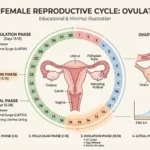
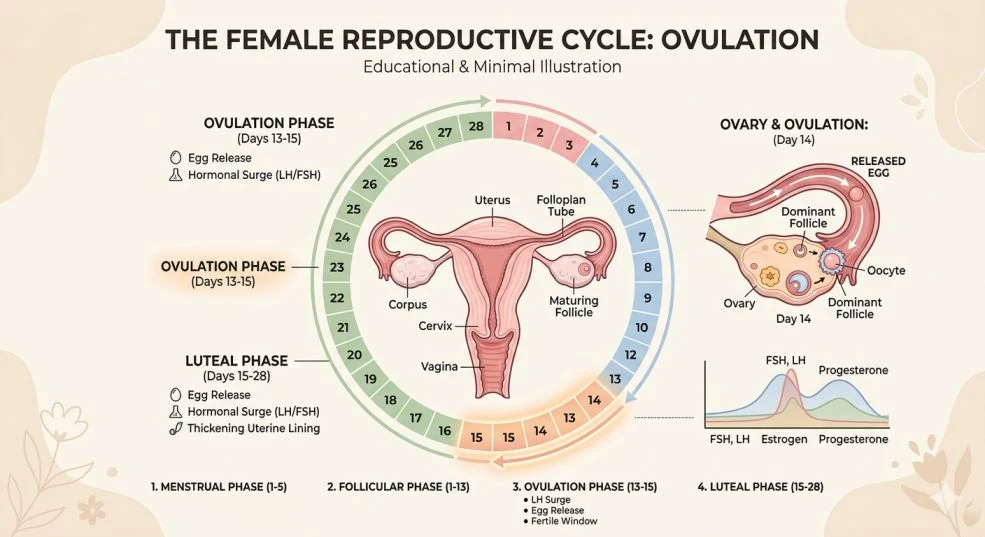
Ovulating means the process when an ovary releases an egg during a woman’s menstrual cycle.
| Term | Simple Meaning |
| Ovulating | Releasing an egg from the ovary |
| Ovulation | The event of egg release |
Meaning & Usage
Ovulating is mainly used in biology, health discussions, and everyday conversations about fertility or menstrual cycles.
Simple Explanation:
When a woman is ovulating, her body releases an egg, making it the most fertile time in the cycle.
Where to Use:
- Health and medical writing
- Educational content
- Daily conversations about fertility
- Family planning discussions
Examples:
- She is ovulating, so it’s her fertile window.
- Doctors track when a patient is ovulating.
- Many apps help predict when you’re ovulating.
- Animals also follow cycles similar to ovulating.
Synonyms of Ovulating
Below is a rich list of synonyms and related expressions you can use depending on context:
| Word/Phrase | Meaning | Example |
| Releasing an egg | Letting an egg out | She is releasing an egg today. |
| Egg release | The act of ovulation | Egg release happens mid cycle. |
| Fertile phase | Time when pregnancy is possible | She is in her fertile phase. |
| Fertility window | Days when conception can occur | This is her fertility window. |
| Ovulatory phase | Scientific term for ovulation time | The ovulatory phase is short. |
| Egg shedding | Releasing the egg | Egg shedding occurs monthly. |
| Reproductive peak | Most fertile time | She is at her reproductive peak. |
| Cycle midpoint | Middle of menstrual cycle | Ovulation occurs at cycle midpoint. |
| Egg discharge | Egg being released | Egg discharge is natural. |
| Fertile period | Time of high fertility | She’s in her fertile period. |
| Ovum release | Scientific term | Ovum release occurs once monthly. |
| Egg liberation | Formal/scientific wording | Egg liberation is part of the cycle. |
| Reproductive phase | Phase linked to fertility | This is a reproductive phase. |
| Fertility stage | Stage of possible conception | She’s in the fertility stage. |
| Ovulatory window | Days around ovulation | The ovulatory window lasts a few days. |
| Peak fertility | Highest chance of pregnancy | This is peak fertility time. |
| Egg expulsion | Egg leaving ovary | Egg expulsion happens naturally. |
| Active fertility phase | Fertile time | She’s in an active fertility phase. |
| Ovum discharge | Egg release | Ovum discharge is expected monthly. |
| Fertile cycle stage | Stage in cycle | She’s in a fertile cycle stage. |
| Egg release phase | Period of ovulation | Egg release phase is short. |
| Biological release | Natural egg release | It’s a biological release process. |
| Reproductive cycle peak | Fertility peak | She’s at reproductive cycle peak. |
| Ovulatory moment | Exact time of ovulation | The ovulatory moment is brief. |
| Fertility peak window | Best chance for pregnancy | This is her fertility peak window. |
| Egg maturation release | Mature egg being released | Egg maturation release occurs monthly. |
| Ovum emergence | Egg appearing from ovary | Ovum emergence signals fertility. |
| Fertile timing | Time when fertility is high | Fertile timing matters for planning. |
| Egg cycle release | Egg release in cycle | Egg cycle release is predictable. |
| Fertility activation | Start of fertile phase | Fertility activation begins mid cycle. |
| Monthly egg release | Regular ovulation | Monthly egg release is normal. |
| Natural fertility phase | Natural fertile time | She’s in her natural fertility phase. |
| Reproductive readiness | Body ready for pregnancy | This shows reproductive readiness. |
| Egg exit phase | Egg leaving ovary | Egg exit phase is brief. |
| Fertile state | Being fertile | She is in a fertile state. |
| Ovulation period | Time of ovulation | Ovulation period lasts a day. |
| Egg cycle midpoint | Middle of egg cycle | Egg cycle midpoint is important. |
| Fertility cycle peak | Peak fertility time | She reached fertility cycle peak. |
| Egg transmission | Egg moving forward | Egg transmission begins after release. |
| Reproductive surge | Hormonal surge for ovulation | A reproductive surge triggers ovulation. |
| Hormonal fertility phase | Hormone driven fertility period | Hormonal fertility phase is key. |
| Egg activation | Egg becoming active | Egg activation leads to ovulation. |
| Ovum transition | Egg movement | Ovum transition follows release. |
| Fertility onset | Start of fertile phase | Fertility onset begins mid cycle. |
| Egg progression | Egg moving through system | Egg progression continues after release. |
| Ovulatory cycle moment | Specific point in cycle | Ovulatory cycle moment is brief. |
| Reproductive timing | Timing for fertility | Reproductive timing is important. |
| Fertile shift | Shift into fertility | Her body shows a fertile shift. |
| Egg readiness phase | Egg ready to release | Egg readiness phase comes before ovulation. |
| Ovulation stage | Stage of ovulation | She is in the ovulation stage. |
| Fertility spike | Sudden fertility increase | There is a fertility spike mid cycle. |
| Egg release event | The act itself | Egg release event happens once monthly. |
Antonyms of Ovulating
| Word/Phrase | Meaning | Example |
| Not ovulating | No egg release | She is not ovulating this month. |
| Infertile phase | Low chance of pregnancy | This is her infertile phase. |
| Luteal phase | Post ovulation phase | The luteal phase follows ovulation. |
| Menstrual phase | Period phase | She is in the menstrual phase. |
| Anovulatory | No ovulation occurring | Anovulatory cycles are common sometimes. |
| Non fertile | Cannot conceive | This is a non fertile period. |
| Egg absence | No egg present | Egg absence prevents pregnancy. |
| Dormant cycle | Inactive reproductive phase | Her cycle is dormant now. |
| Hormonal imbalance | Disrupts ovulation | Hormonal imbalance can stop ovulation. |
| Post ovulation | After ovulation | Post ovulation comes next. |
| Pre ovulation | Before ovulation | She is in pre ovulation stage. |
Comparison Section
Ovulating vs Fertile Phase – timing vs duration
Difference: Ovulating is a single event; fertile phase lasts several days.
Example:
- She is ovulating today.
- She is in her fertile phase this week.
Ovulating vs Ovulation – action vs noun
Difference: Ovulating is the action; ovulation is the event name.
Example:
- She is ovulating now.
- Ovulation occurs once a month.
Ovulating vs Egg Release – technical vs simple
Difference: Ovulating is medical; egg release is simpler language.
Example:
- Doctors say she is ovulating.
- The body is releasing an egg.
Ovulating vs Fertility Window – exact vs broader period
Difference: Ovulating is exact timing; fertility window includes days before/after.
Example:
- Ovulating happens in one day.
- Fertility window lasts several days.
Ovulating vs Reproductive Phase – specific vs general
Difference: Ovulating is specific; reproductive phase is broader.
Example:
- She is ovulating today.
- She is in a reproductive phase.
Common Phrases Using “Ovulating”
- Ovulating right now
- Ovulating this week
- Signs of ovulating
- Track when ovulating
- Ovulating symptoms
- Ovulating naturally
- Predict ovulating days
- Ovulating cycle
FAQs
1. What is the simplest synonym of ovulating?
The easiest synonym is “releasing an egg.”
2. Is “fertile phase” the same as ovulating?
Not exactly. Ovulating is one moment, while fertile phase includes several days.
3. Can I use these synonyms in formal writing?
Yes, but choose scientific terms like “ovulatory phase” for professional use.
4. Are these synonyms used in daily conversation?
Some are. Simple ones like “fertile window” or “egg release” are common.
5. Why should I learn synonyms of ovulating?
They help improve writing, avoid repetition, and make explanations clearer.
Conclusion
Learning synonyms of ovulating gives you more flexibility in how you speak and write. If you’re explaining a biological concept, writing an article, or having a simple conversation, using varied vocabulary makes your message clearer and more engaging.
Start by using simple alternatives like “egg release” or “fertile phase”, then gradually include more advanced terms when needed. The key is to match the word to your audience and purpose.
Keep practicing these terms in real life sentences, and soon they will feel natural. Want to improve your vocabulary even more? Try using 3–5 new synonyms daily in your writing!